
Efficient yard waste removal can transform your outdoor space, making it neater and more pleasant to enjoy. Moreover, it is an essential part of maintaining a healthy garden and environment. In this blog, we’ll explore seven simple steps to help you manage and remove yard waste effectively without any hassle.
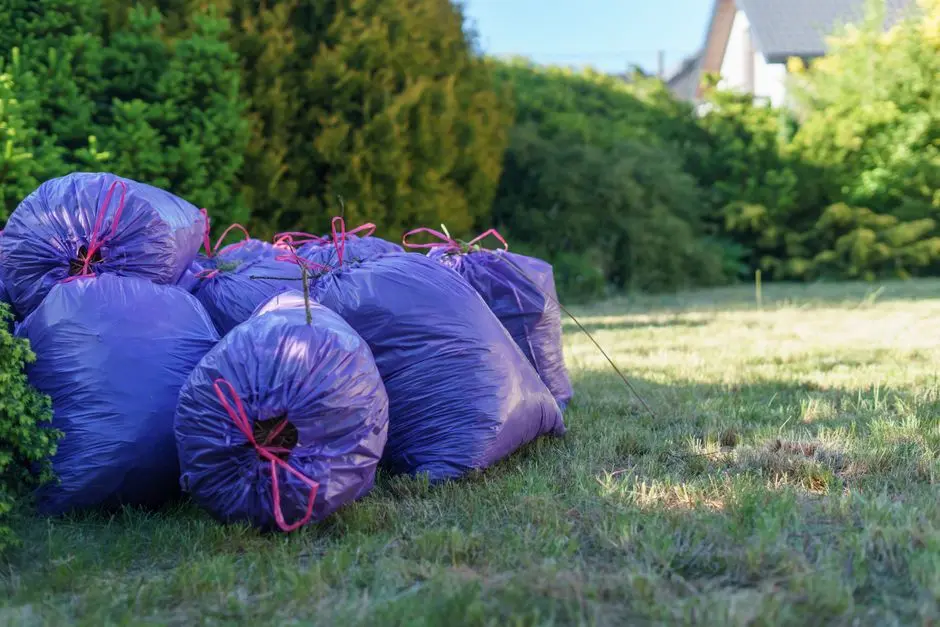
1. Assess Your Yard Waste
Begin by evaluating the amount and type of waste in your yard. Knowing what you’re dealing with is crucial for choosing the most effective removal method. For instance, large branches might require different handling compared to piles of leaves or grass clippings. Take a stroll around your yard, making notes of the kinds of debris present. This will not only help in planning the removal process but also aids in prioritizing tasks, especially if you have limited time.
Consider the seasonal changes as well. Different seasons bring varying types of waste, from fallen leaves in autumn to dead branches in winter. By recognizing these patterns, you can anticipate the type of waste you’ll be dealing with throughout the year. This awareness is the first step toward a well-organized yard waste removal strategy.
2. Gather Necessary Tools
Having the right tools on hand, such as gloves, rakes, and garbage bags, can make the process smoother. Organize these tools beforehand to save time and effort. For hard-to-reach areas or larger items, you might need specialized equipment like a pruning saw or a wheelbarrow. Investing in quality tools can also prevent accidental injuries and ensure that the tasks are completed efficiently.
Don’t forget about personal protective equipment! A good pair of gloves not only protects your hands from blisters but also keeps them safe from insects or sharp objects. Additionally, wearing appropriate footwear will provide the necessary traction and support for moving around safely in the yard.
3. Sort Your Waste
Separate your yard waste into categories like leaves, branches, and grass clippings. This makes disposal easier and can also help in recycling efforts. Sorting the waste beforehand speeds up the disposal process and is often required if you are using local municipal waste services, which may have specific requirements for different types of waste.
By sorting, you can also identify materials that could be re-used or upcycled. Branches might be perfect for creating a natural border in your garden, while grass clippings can serve as mulch to protect plant roots. Embracing a mindset of reuse can not only reduce the amount of waste you need to dispose of but also contribute positively to your garden’s ecosystem.
4. Composting Organic Waste
Composting is a great way to recycle organic yard waste. Learn how to set up a compost bin and turn your waste into valuable fertilizer for your garden. Starting a compost can be as simple as designating a corner of your yard for a compost pile, or investing in a bin that suits your space and needs.
By composting, you’re not only reducing waste but also enhancing your soil’s fertility with rich organic matter. This eco-friendly practice can significantly reduce your landfill contributions and promote sustainable gardening. Remember, composting needs a mix of green (moist) and brown (dry) materials to work efficiently.
5. Decide on a Disposal Method
Choose the right disposal option for the non-compostable waste. Whether it’s municipal pickup, going to the local landfill, or hiring a removal service, select what fits your needs best. Each method has its pros and cons, and understanding these will aid in making an informed decision that aligns with your waste management goals.
Sometimes, particular services might offer benefits like scheduled pickups or special bins for specific types of yard waste. Collaborating with a service that understands your specific needs can alleviate much of the burden associated with yard waste removal. Always check with your local council to understand the regulations and options available in your area.
6. Schedule Regular Maintenance
Establishing a routine for cleaning your yard not only keeps it tidy but also reduces the workload over time. Set aside dedicated days for yard maintenance. By doing so, the task becomes less overwhelming, and maintaining your yard becomes second nature. Consistent cleanups prevent the accumulation of waste and allow you to enjoy your outdoor space with minimal effort.
Consider seasonal adjustments to your schedule to accommodate the changing needs of your yard. Summer may require frequent mowing and trimming, while fall might focus more on leaf collection. Tailoring your maintenance to the seasons ensures that your yard remains manageable and reduces the impact of sudden, large-scale cleanups.
7. Engage Your Community
Consider joining or initiating a neighborhood cleanup. Collaborating with others can make the task more enjoyable and foster a sense of community. Such projects not only divide the labor but also build relationships with your neighbors and create a more vibrant, connected community.
Community cleanups can also provide opportunities to share knowledge and resources. You might learn new tips and tricks for efficient waste removal or discover local facilities and services that support your efforts. Plus, working together towards a common goal creates a sense of accomplishment and can make the task feel more fun and less like a chore.