
Proper yard waste removal is essential for maintaining a tidy garden and supporting environmental sustainability. However, many homeowners fall into common traps that can lead to inefficient or environmentally harmful waste management. Let’s uncover these mistakes and learn how to avoid them for a cleaner, greener yard.
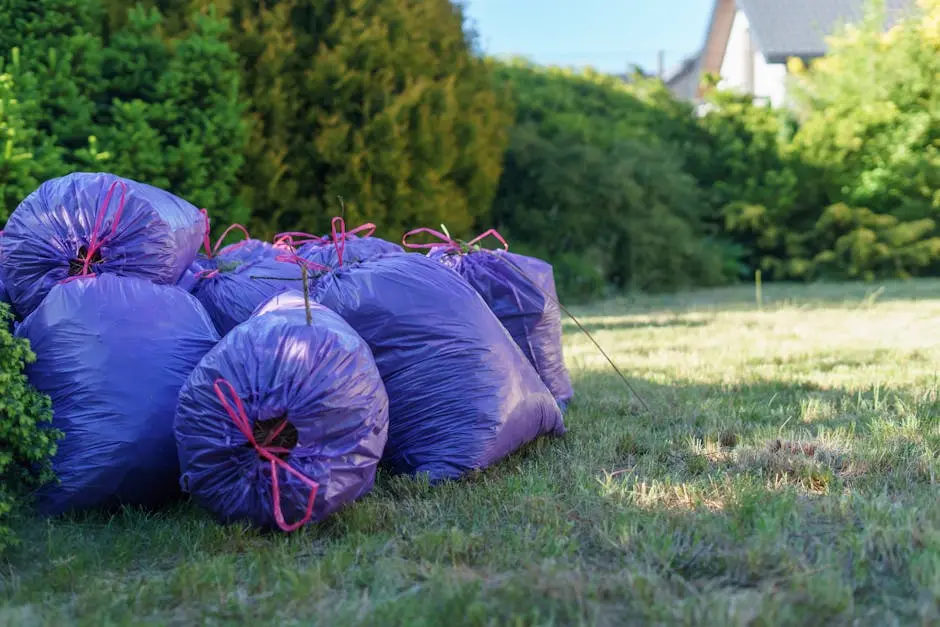
1. Ignoring Local Yard Waste Regulations
Every municipality has its own rules concerning yard waste disposal, and ignoring them can lead to hefty fines. Always check your local guidelines before proceeding with waste removal. For instance, some areas require separating branches from leaves or mandate specific types of bags. It’s essential to be informed about local regulations so you can dispose of your yard waste legally and efficiently.
Moreover, understanding how to comply with seasonal restrictions can save you time and fines. For example, burning leaves might be allowed in some places but only at certain times of the year. Adhering to these regulations not only keeps you in good standing with local authorities but also contributes to broader environmental protections. Always consult the guidelines provided by your local waste management service.
2. Bagging Wet Leaves
Bagging wet leaves not only adds unnecessary weight but also creates a mess. Make sure to dry leaves before bagging to prevent mold and make handling easier. Wet leaves tend to stick together, making it hard to compress them into bags effectively. This can also lead to unexpected odors and accelerate decomposition, making the bags heavy and difficult to manage.
If you find yourself frequently dealing with wet leaves, consider a simple solution: leave them out to dry on a sunny day before bagging. In addition to being lighter and more manageable, dry leaves are easier to handle and are less likely to damage bags. Another benefit of dry leaves is that they break down faster in compost, contributing positively to your soil’s health.
3. Overlooking Composting Opportunities
Composting is a fantastic way to recycle yard waste into nutrient-rich soil. Don’t just throw everything out; consider what you can add to a compost pile. Leaves, grass clippings, and non-diseased plant materials can all contribute to a healthy compost heap. By breaking down these materials naturally, you’re not only reducing waste but also improving your garden’s fertility.
To start, set aside a small corner of your yard where you can manage your compost pile. Remember that balance is key—a mixture of green waste, like grass clippings, and brown waste, like dry leaves, is ideal for the decomposition process. Additionally, turning the compost periodically with a pitchfork introduces oxygen, which speeds up decomposition and helps eliminate odors essential composting tips.
4. Using Plastic Bags
Plastic bags are not biodegradable and can hinder proper yard waste recycling. Opt for biodegradable bags or reusable containers when possible. As awareness about the environmental impacts of plastic grows, many municipalities have started banning plastic bags for yard waste. Switching to eco-friendly alternatives not only complies with these regulations but also contributes to the health of the environment.
Additionally, using sturdy, reusable containers can facilitate easier waste transport and storage. Consider investing in wheeled bins that allow you to collect and move large quantities of waste with minimal effort. These durable containers are designed to withstand various weather conditions and can be used season after season, providing a one-time investment that pays off in convenience and sustainability.
5. Not Renting a Chipper for Large Branches
Large branches can overwhelm your yard waste collection service, so renting a chipper can be an effective solution to break them down into manageable mulch. Chippers quickly transform bulky limbs into fine wood chips that can be used as protective mulch around garden beds or trees, helping to conserve soil moisture and reduce weed growth.
Before renting, assess the volume of branches you need to process to determine the right type and size of a chipper for your needs. Smaller electric models may suffice for modest home uses, but larger gasoline-powered units might be necessary for significant tree debris. In any case, ensure you follow all safety instructions to prevent accidents during operation. Not only is this approach practical, but it also significantly reduces the amount of waste that needs to be hauled away.
6. Forgetting to Schedule Regular Collection
Piling up yard waste for long periods can lead to infestation and foul smells. Stick to a regular collection schedule to keep your yard fresh. Accumulated debris can attract pests such as rodents and insects, which may pose risks to nearby plants or even your home.
Review the schedule of your local collection service and mark the dates on your calendar. Some services offer reminders via email or apps, ensuring you won’t miss a pickup day. Consistent yard waste management not only maintains the aesthetics of your property but also supports the efficiency of your local waste processing systems. Make sure to check for any holiday changes to the collection calendar to avoid unexpected accumulations.