
Managing yard waste responsibly is an important step in maintaining a sustainable and eco-friendly household. Not only does it contribute to a healthier environment, but it also offers numerous benefits that can positively impact your garden, community, and well-being. Let’s explore the many reasons why proper yard waste management is such a valuable practice.
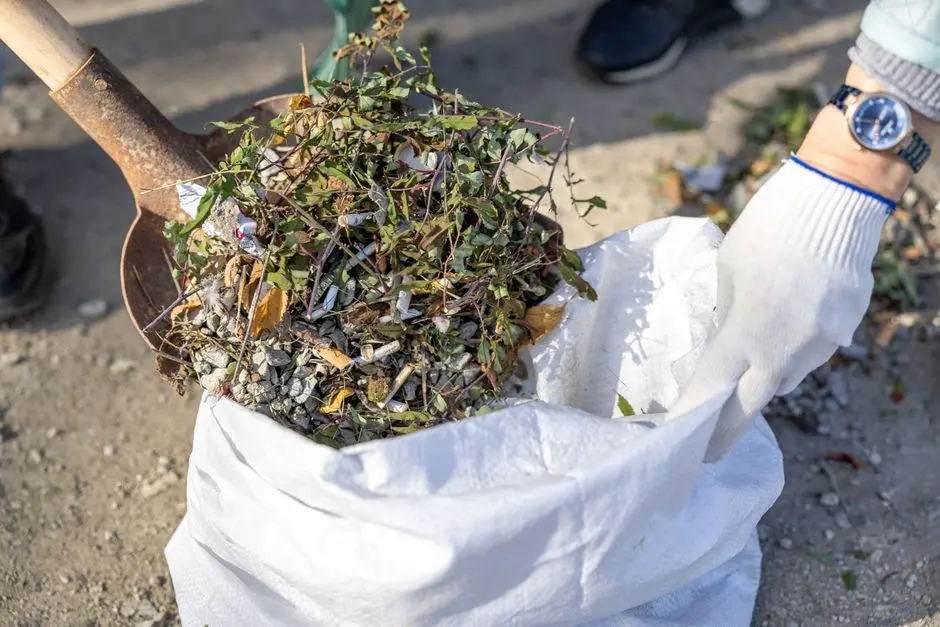
1. Enhancing Soil Fertility
Properly composted yard waste can add essential nutrients back into the soil, enhancing its fertility. This organic matter enriches the earth, leading to healthier plants and a more robust garden.
Composting yard waste allows you to tap into nature’s own recycling system. By returning nutrients to the earth, you not only boost plant health but also promote a sustainable cycle of growth. As these nutrients break down, they improve soil structure, which enhances its ability to retain moisture and resist erosion. Building rich, fertile soil not only leads to a thriving garden but also decreases the need for chemical fertilizers.
2. Reducing Landfill Contribution
Managing your yard waste prevents it from ending up in landfills, which reduces the burden on these sites and lowers greenhouse gas emissions that contribute to climate change.
The sheer volume of waste that ends up in landfills annually is staggering. By properly managing yard waste, we drastically reduce the amount that contributes to this growing problem. Not only does this ease the strain on landfill sites, but it also reduces methane emissions which are exacerbated when organic material decomposes anaerobically in landfills. This active reduction of greenhouse gases plays a significant role in mitigating climate change.
3. Encouraging Biodiversity
By fostering a habitat with properly managed yard debris, you can create a thriving ecosystem that supports various forms of wildlife, from beneficial insects to birds and small mammals.
Encouraging biodiversity in your garden can be as simple as leaving small piles of wood or leaves. These become crucial habitats for many species, thus playing a vital role in maintaining ecological balance. Insects like butterflies and birds thrive in such environments, assisting with pollination and pest control, which in turn supports vibrant growth. Cultivating biodiversity not only enhances your garden’s aesthetic but also its resilience.
4. Conserving Water Resources
Composted yard waste improves soil structure, allowing for better water retention. This means gardens require less frequent watering, conserving an essential natural resource.
Water conservation is one of the understated benefits of proper yard waste management. With improved soil structure, rainwater is absorbed more effectively, reducing runoff and erosion. This also means plants can access water more efficiently during dry spells, making your garden more drought-tolerant. By managing your yard waste thoughtfully, you contribute to conserving one of our planet’s most valuable resources: water. This consciousness leads to a healthier environment and community.
5. Cutting Down on Chemical Use
When you recycle organic waste back into your garden, it reduces the need for chemical fertilizers and pesticides, which are harmful to the environment and local waterways.
Curbing the use of chemicals in your garden not only promotes organic growth but also protects the surrounding ecosystem from harmful runoff. Many commercial fertilizers and pesticides contain harsh chemicals that can leach into nearby water sources, posing risks to aquatic life. Instead, by naturally enriching your soil with composted yard waste, you create a healthier garden environment and support eco-friendly practices that protect the planet. This transition to sustainable gardening techniques benefits both garden and gardener alike.
6. Saving Money on Disposal
By handling yard waste at home, you can save money on waste disposal fees, invest in your garden, and consequently reap greater harvests and enjoyment from your landscape.
Managing your own yard waste doesn’t just save money; it shifts that value back into your immediate environment. Waste management fees can add up over time, and handling it at home affords you greater control over the process. This means more financial resources can be allocated to garden enhancements or other home improvements. Additionally, by turning waste into compost, you create a valuable resource for nurturing plant health, which can lead to increased harvests and enhanced property value.
7. Reducing Carbon Footprint
Minimizing the waste that needs to be transported and processed at landfills contributes to a reduction in fossil fuel use and lowers your overall carbon footprint.
The environmental impact of transporting waste is often overlooked, yet it plays a significant role in the larger picture of sustainability. By reducing the amount of yard waste that requires municipal processing, we cut down on the emissions associated with waste management transportation. As more communities embrace local waste management practices like composting, the collective impact of reduced transportation becomes clear. It’s a small but powerful way to combat climate change and conserve energy.
8. Promoting Environmental Awareness
Taking responsibility for your yard waste encourages others to do the same, fostering community-wide environmental consciousness and collective action.
Environmental awareness starts at home, and responsible yard waste management sets a powerful example for neighbors to follow. By demonstrating the benefits and simplicity of managing waste sustainably, you spark curiosity and promote educational discussions about environmental issues. This can lead to broader community initiatives and collective efforts to protect local ecosystems, promoting a culture of sustainable practices and green living.
9. Creating Natural Mulch
Yard waste can be repurposed into a natural mulch that helps suppress weeds, retain soil moisture, and add aesthetic value to gardens.
Transforming yard waste into mulch is an excellent use of resources otherwise discarded. This mulch not only enhances the visual appeal of your garden but also serves practical purposes. It reduces weed growth, helping your plants thrive with less competition for nutrients and sunlight. Additionally, mulch retains moisture during hot months, reducing the need for frequent watering. Reusing yard waste as mulch is an effective way to sustain plant health and garden aesthetics while promoting a sustainable lifestyle.
10. Boosting Plant Health
With enhanced soil quality from decomposed organic matter, your plants will have more access to nutrients, resulting in improved growth and resistance to diseases.
Plants thrive in environments where they can access the necessary nutrients for growth, and decomposed yard waste serves as an ideal nutrient source. This organic boost not only enables plants to flourish but also strengthens their defense mechanisms against common garden diseases. Over time, this results in a more resilient garden capable of withstanding various environmental stresses. The role of organic matter in enhancing plant immunity and vitality underscores the importance of integrating yard waste management into regular gardening routines.
11. Supporting Renewable Energy
Some yard waste can be converted into bioenergy, supporting the shift towards renewable energy sources and reducing reliance on fossil fuels.
Innovative technologies have made it possible to convert organic waste, including yard debris, into renewable energy sources such as biogas. This transformation not only provides an alternative energy source but also reduces our reliance on non-renewable resources like oil and natural gas. By leveraging yard waste for bioenergy, you support a cleaner, more sustainable future. This movement towards renewable energy represents a broader commitment to environmental responsibility and addresses global energy challenges by utilizing local resources efficiently.