
Roll-off dumpsters are a convenient solution for disposing of large amounts of waste effectively. Whether you’re cleaning out your home, remodeling, or managing a construction site, understanding roll-off dumpsters can help you keep your project organized and efficient. This FAQ blog will guide you through what roll-off dumpsters are, how they work, and why they might be the perfect option for your waste disposal needs.
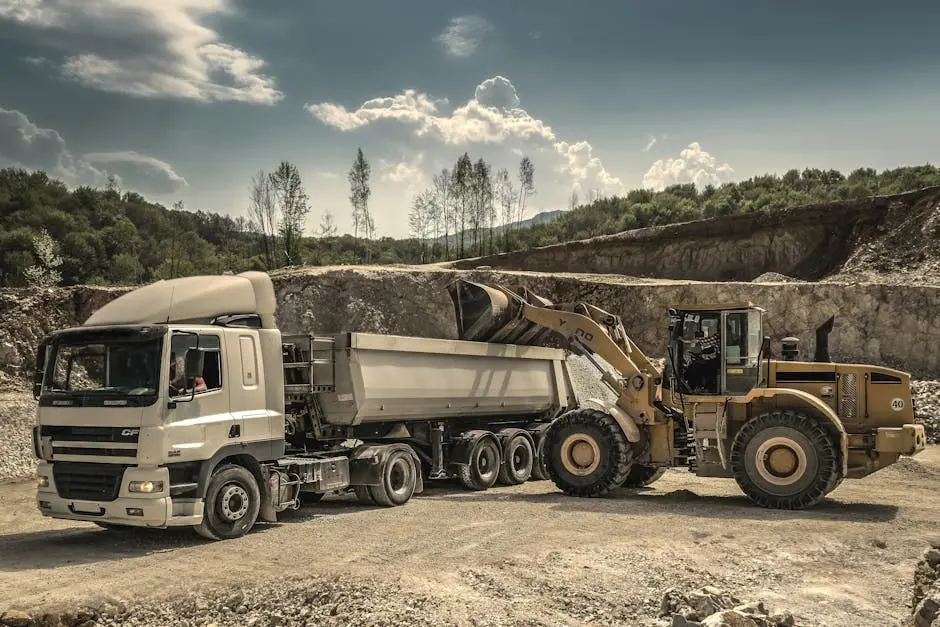
What Is a Roll-Off Dumpster?
Roll-off dumpsters are large, rectangular containers with open tops, designed for easy loading of waste materials. They are typically delivered to your location on a large truck, rolled off, and used for removing various types of debris.
These dumpsters are an essential tool for anyone undertaking a project involving significant waste. Their size and ease of access make them perfect for everything from construction sites to large home cleanouts. The flexibility offered by roll-off dumpsters allows you to handle different types of waste, including furniture, appliances, and even light demolition materials.
An interesting aspect of roll-off dumpsters is that they are named after the method of delivery. The term ‘roll-off’ derives from the way they are offloaded from a special truck equipped with a hydraulic lift. This truck ‘rolls’ the dumpster off and positions it exactly where you need it, which is particularly useful for tight or complex spaces.
How Do Roll-Off Dumpsters Work?
The process starts by ordering a dumpster from a rental company, which then delivers it to your site. Once your dumpster is full, the company returns to pick it up, ensuring proper waste disposal. The entire process is straightforward, making it easy for you to manage waste without unnecessary stress.
Most rental services offer a simple step-by-step process for acquiring and using a roll-off dumpster. First, you’ll need to determine the right size for your project. Then, arrange a suitable delivery time that doesn’t disrupt ongoing work. Once placed, it’s crucial to fill the dumpster evenly and not exceed its weight capacity.
The convenience of roll-off dumpsters is enhanced by the fact that most waste management companies handle the post-use disposal. This ensures the waste is taken to an appropriate landfill, recycling center, or other disposal facility, thus adhering to environmental and local waste management guidelines.
Choosing the Right Size for Your Needs
Roll-off dumpsters come in various sizes, typically ranging from 10 to 40 cubic yards. The right size for you depends on the volume and type of waste you plan to dispose of. It’s crucial to assess your project needs carefully to select the most suitable dumpster size.
A general rule of thumb is to overestimate the size rather than underestimate. For instance, a 10-yard dumpster might be perfect for small cleanouts or minor renovation debris, while larger construction jobs might require something closer to 30 or 40 yards.
Selecting the correct size is important because renting a dumpster that’s too small could mean additional costs for extra pickups or even renting another dumpster. Conversely, a dumpster that’s too large may be an unnecessary expense. It’s always wise to consult with the rental service for their expert recommendation based on the details of your project.
Understanding Delivery and Pickup Logistics
The logistics of delivery and pickup involve coordinating with the rental company to ensure the dumpster can be placed in a convenient location. Clear paths for the truck’s access are essential, and you’ll need to consider any local restrictions or guidelines.
Before delivery, it’s important to assess the space where the dumpster will sit. Ensure there are no obstructions like low-hanging branches or electrical wires. Also, communicate with neighbors if the dumpster will be stored in shared spaces, such as alleys or driveways.
When planning for pickup, confirm that the path remains clear and accessible for the truck. Be mindful of the rental company’s schedule, as they might have specific time frames for pickups. A smooth pickup process ensures that the waste is promptly and efficiently removed, reducing disruptions or delays to your project.
Common Uses for Roll-Off Dumpsters
Roll-off dumpsters are widely used for residential cleanouts, construction projects, renovation debris, and community cleanups. They handle a diverse range of waste materials, offering versatility across various projects.
In home renovations, these dumpsters serve as a reliable way to dispose of materials like old flooring, drywall, and even large furniture pieces. During construction, they efficiently gather waste materials, from wood and metal to concrete and bricks, ensuring the site remains organized and safe.
Additionally, community events like park cleanups or festivals often use roll-off dumpsters to manage the accumulation of debris effectively. By having designated waste collection points, these events become more environmentally friendly by ensuring proper segregation and disposal of waste.
Important Regulations and Guidelines to Follow
Different areas have specific regulations about what can be disposed of in a roll-off dumpster. Always check local rules and the waste management company’s guidelines to avoid fines or additional charges.
Certain materials, such as hazardous waste, batteries, and flammable materials, are typically prohibited in roll-off dumpsters. Disposal of such items requires special handling and should be directed to specific facilities equipped to deal with dangerous materials.
It’s also worthwhile to consider local recycling regulations. Many areas have laws promoting recycling, and proper sorting can make a significant impact on reducing landfill waste. Consulting with local authorities or the rental company can provide clarity on any recycling initiatives or policies you should be aware of.
Final Thoughts on Roll-Off Dumpsters
In conclusion, roll-off dumpsters offer a practical and versatile solution for managing waste. By choosing the right size and positioning, understanding the simple delivery and pickup process, and following local regulations, you can ensure a smooth disposal experience. When used correctly, roll-off dumpsters keep projects running efficiently, without the hassle typically associated with large-scale waste management.