
Effective waste management is crucial for businesses looking to maintain a clean and sustainable environment. Commercial dumpster rentals offer an accessible solution, but without the right strategies, their full potential might not be realized. This guide explores eight strategies to help capitalize on commercial dumpster rentals for efficient waste management.
1. Assessing Your Waste Management Needs
Start by analyzing the types and volumes of waste your business produces. This initial step is foundational, allowing you to gauge the most efficient way to handle waste through dumpster rentals. Consider the seasonal variations that might affect waste production. For instance, a retail store might generate more waste during holiday seasons, while an office might see steadier quantities. The goal is to anticipate these changes and adjust your dumpster needs accordingly. By aligning your needs to your waste output, you can not only manage waste efficiently but also incorporate sustainability into your operations by minimizing unnecessary waste.
2. Choosing the Right Dumpster Size
Selecting the appropriate dumpster size is pivotal. Oversized dumpsters can lead to unnecessary expenses, while undersized ones might cause overflow issues. Understanding your waste patterns helps in making the right choice. It’s not just about size but ensuring the type of waste aligns with what the dumpster can manage; for instance, hazardous materials might need special handling. Investing time in this choice pays dividends in operational efficiency and cost savings. For businesses requiring frequent shifts, opting for scalable solutions where dumpster sizes can be adjusted easily, provides flexibility and supports operational variability.
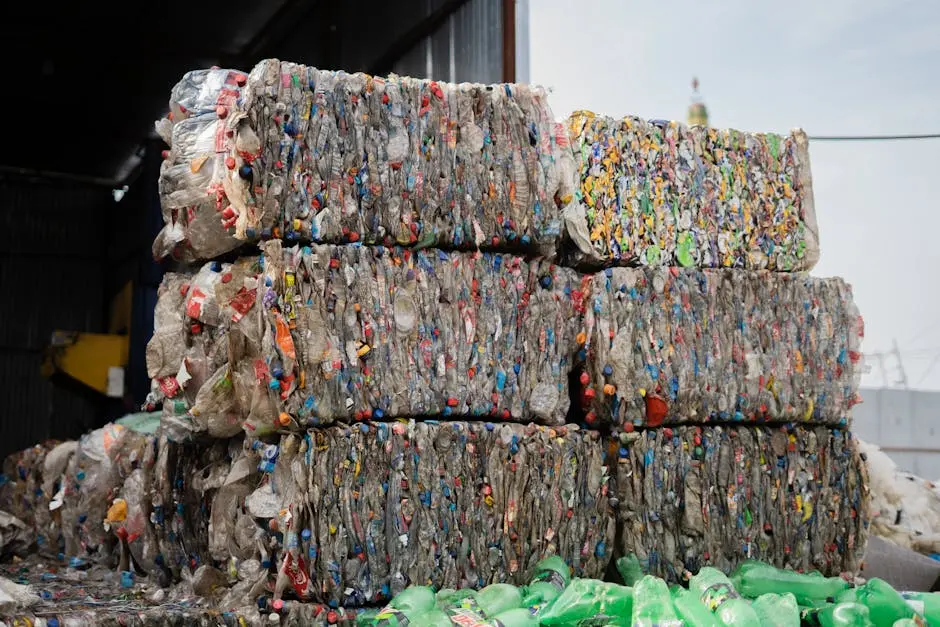
3. Strategic Placement of Dumpsters
Where you place your dumpsters can impact efficiency. Ensure dumpsters are easily accessible but not obstructive to operations, enhancing convenience and safety for waste disposal. Proximity to waste generation points like loading docks or production lines can streamline operations. Additionally, strategic placement ensures that employees don’t have to navigate cumbersome paths, reducing time wastage and potentially risky situations for backing trucks. Also, consider local weather patterns; shielding dumpsters from harsh elements can prolong their lifespan and ensure continued operational effectiveness. These considerations aid in creating a robust infrastructure for waste management.
Effective placement is also about aesthetics and community impact. Positioned correctly, dumpsters can maintain a neat appearance while reducing any adverse impact on the environment. This not only helps in operational efficiency but also elevates your business’s public image. Engaging with local buildings or communities to determine ideal placements might also reveal cooperative strategies that benefit multiple stakeholders. By doing so, relationships with clients and the community are preserved, fostering a cooperative spirit which often translates to goodwill and long-term business benefits.
4. Scheduling Regular Pick-ups
Regularly scheduled pick-ups prevent overflow and maintain a clean environment. Collaborate with your service provider to find a pick-up schedule that suits your business needs. Consistent scheduling not only helps in cleanliness but also optimizes dumpster utilization rates. Ensure you align pick-up times with peak waste generation periods. Opting for flexible scheduling allows modifications based on evolving business operations, ensuring that logistical changes don’t disrupt waste management. Moreover, scheduling during off-peak hours minimizes disruptions to normal business activities, maintaining both operational flow and a clean business environment.
5. Promoting Recycling and Sorting
Encouraging recycling within your business by providing separate containers for recyclables reduces waste and can make disposal processes more efficient and environmentally friendly. Implementing a company-wide recycling education campaign increases awareness and participation. To further incentivize recycling, consider introducing reward systems for departments or individuals achieving recycling goals. Partnering with recycling organizations could also introduce innovative methods for waste segregation, leading to cost savings and reduced landfill contributions. The alignment of these initiatives with company values not only promotes sustainability but also enhances your corporate responsibility image, appealing to eco-conscious consumers.
6. Training Employees on Waste Management
Educate your staff about proper waste management practices and the importance of using the dumpster system correctly. This ensures everyone is on the same page, reducing misuse and inefficiencies. Regular waste management workshops and refresher courses can keep employees engaged. Including waste management protocols in the employee handbook can further cement its importance. Involving employees in discussions around waste management strategies may bring valuable insights and suggest multifaceted solutions that management might overlook. Encouraging active participation makes employees proud custodians of the environment, ultimately benefitting the business and fostering a culture of sustainability.
7. Ensuring Compliance with Local Regulations
Adhere to local waste disposal regulations to avoid fines and legal issues. Compliance not only avoids penalties but also supports community efforts towards sustainable waste practices. Stay updated with any changes in regulations through regular discussions with local waste authorities. Implementing a system for tracking and documenting waste disposal actions can support compliance audits or inspections. This proactive approach ensures adherence to all mandated guidelines while maintaining a standard of responsibility that enhances your business’s relationship with regulatory bodies. Moreover, being a compliant business reflects positively in the eyes of the community and can be showcased as a model for other businesses to follow.
8. Evaluating and Adjusting Strategies
Regularly review your waste management strategies to identify areas for improvement. Being flexible and open to adjustments ensures ongoing efficiency and cost-effectiveness. Utilize data analytics to understand waste trends, identify inefficiencies, and make informed decisions about adjustments. Engaging in routine assessments enables you to anticipate potential challenges, allowing you to adjust strategies proactively. Collaborate with other businesses to learn new strategies or technologies that might improve overall efficiency. An evolving strategy that incorporates industry best practices leads to sustainable operations, ultimately helping the environment and supporting your company’s long-term goals.