
Demolition cleanup can be a daunting task, but with the right approach, it can be managed efficiently and effectively. Whether you’re a homeowner tackling a small project or a contractor overseeing a massive teardown, these tips will help you handle the cleanup process with ease.
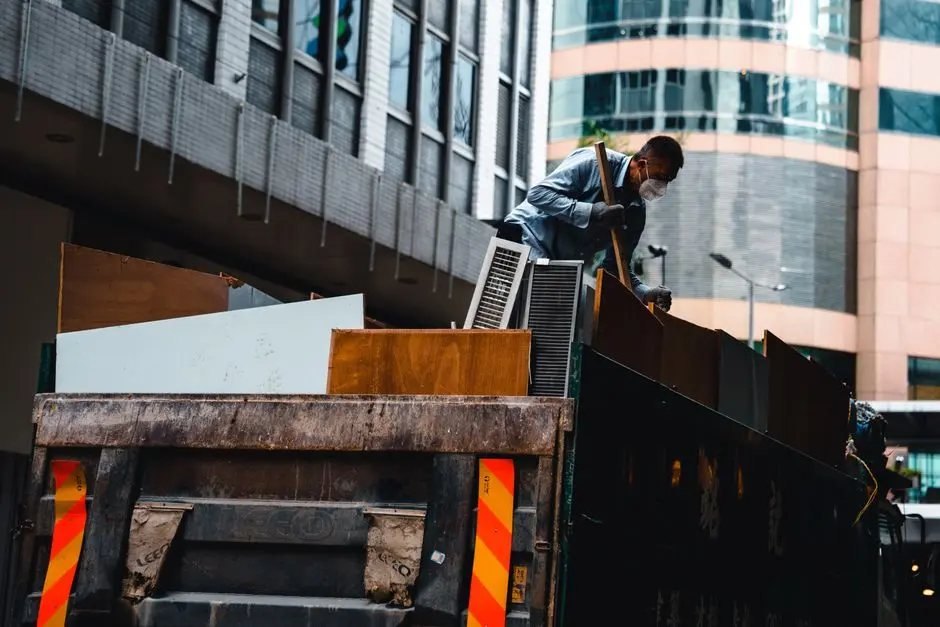
1. Plan Ahead for Success
Before the first piece of debris hits the ground, having a solid plan in place is crucial. Assess the area and determine the best approach to manage waste, including recycling and disposal. This not only involves anticipating the kind of debris you’ll encounter but also evaluating the scale of cleanup needed. Consider enlisting the help of a professional to adequately gauge the requirements of your site. Strategically planning also allows you to manage your time more effectively, ensuring that each stage of the cleanup is handled without unnecessary hassle.
An essential aspect of planning is understanding local regulations regarding waste disposal. Being informed about these rules ensures that the cleanup process complies with legal requirements, preventing any potential fines or delays. Engaging with local resources can provide additional guidance and avert complications later on. Additionally, plan for contingencies by allocating extra time and resources to unforeseen obstacles or delays, which are common in demolition projects.
2. Equip Yourself Properly
The right tools can make a world of difference in the cleanup process. Ensure you have the necessary equipment such as dumpsters, safety gear, and other cleaning supplies to handle the aftermath safely. Depending on the scale of your project, you may need heavy machinery, so verify their availability and condition beforehand. Properly maintained equipment minimizes the risk of injury and improves efficiency, making your tasks quicker and more manageable.
Safety gear is not just a recommendation; it’s a necessity. Protective gear such as gloves, helmets, and masks safeguard you against potential hazards like sharp objects and dust inhalation. Investing in high-quality safety gear will pay off by keeping you and your team safe throughout the cleanup process. Also, set up a dedicated area for disposing of hazardous materials separately to minimize risk and comply with environmental regulations.
3. Sort Waste Materials
Segregating different types of waste can save time and money. Sorting materials into categories, such as metals, concrete, and wood, will streamline recycling and disposal efforts. Concrete, for instance, can often be crushed and reused, saving landfill space and resources. Similarly, metals can be recycled, often providing a financial return. By implementing a structured sorting system, you reduce the time spent sifting through debris later on.
4. Prioritize Safety First
Safety is paramount during cleanup operations. Proper use of safety gear like helmets, gloves, and masks can prevent accidents and health risks associated with demolition sites. Always inspect your site for potential hazards before beginning work each day. Regular safety briefings and hazard assessments are important as conditions can change quickly in dynamic environments. Making safety a continuous priority reduces the chance of injuries, ensuring the health of everyone involved.
5. Minimize Environmental Impact
Consider the environment when planning your cleanup. Employ eco-friendly practices, like donating reusable materials or using sustainable disposal methods, to reduce the ecological footprint. You can learn how to minimize your carbon footprint by opting for products that are less harmful to the environment. Recycling materials when possible is another effective way to decrease waste. Partnering with organizations that accept large-scale donations can further offset the environmental impact, ensuring that your demolition leaves a smaller footprint.
6. Stay on Schedule
Adhering to a strict timeline can keep your project on track and prevent unnecessary delays. Set achievable deadlines for each phase of the cleanup to ensure a smooth process. Consider the weather conditions, which can cause interruptions, and formulate alternative plans to adhere to your timelines. Efficient scheduling and a little flexibility are essential to navigate any unexpected events while keeping the cleanup operation as seamless as possible.
7. Communicate with Your Team
Open lines of communication with your crew can enhance efficiency and safety. Regular meetings and updates will ensure everyone is on the same page regarding tasks and concerns. Establishing a clear chain of command helps streamline decision-making, allowing for quick adjustments and responses as situations evolve. Ensuring that your entire team is informed and engaged, and feels comfortable reporting issues promptly, will enhance the collective effort and lead to a more successful cleanup operation.
8. Utilize Professional Services
Hiring a professional cleanup service can be a game-changer. Their expertise and resources can handle the heavy lifting, ensuring thorough and effective cleanup. Professionals are well-versed in handling hazardous materials safely and legally, potentially saving you the hassle and stress of managing it alone. This can be especially beneficial for larger projects, where complexities increase and specialized skills are needed to manage the cleanup efficiently. Another advantage is the potential reduction in personal and environmental liability, which professionals are adept at mitigating.
9. Document the Cleanup Process
Taking detailed notes and photographs during the cleanup can provide valuable insights for future projects. Documentation helps track progress and identify areas for improvement. Keeping a thorough record can also prove invaluable when communicating with stakeholders or for compliance purposes. It serves as a reference for any unforeseen issues, allowing you to refine processes in future projects based on past learnings. Be vigilant and make documentation a normal part of your cleanup routine to enhance operational efficiencies.
10. Conduct a Final Inspection
A final walkthrough ensures that nothing has been missed. Inspect the site to confirm that all waste has been properly disposed of and the area is ready for the next phase of construction. Creating a checklist for inspection can be very useful, ensuring you cover every aspect of the site. This is your chance to address any remaining concerns and to confirm that the cleaned site meets all necessary criteria. An organized and well-documented final assessment will not only give you peace of mind but also establish credibility and trust with involved parties.
A successful final inspection sets the tone for the next phase of your project, whether that means starting new construction or simply wrapping up the site safely and responsibly. Leverage this opportunity to refine your overall demolition cleanup strategy, learning from each project to improve continuously. Making sure you end on a high note ensures a positive transition to the upcoming stages.