
Demolition projects might seem straightforward at first glance, but the cleanup that follows is crucial for safety, compliance, and environmental health. In this FAQ blog, let’s explore why proper demolition cleanup is so vital and what steps are involved to ensure everything is left in perfect condition.
Ensuring Safety for Everyone Involved
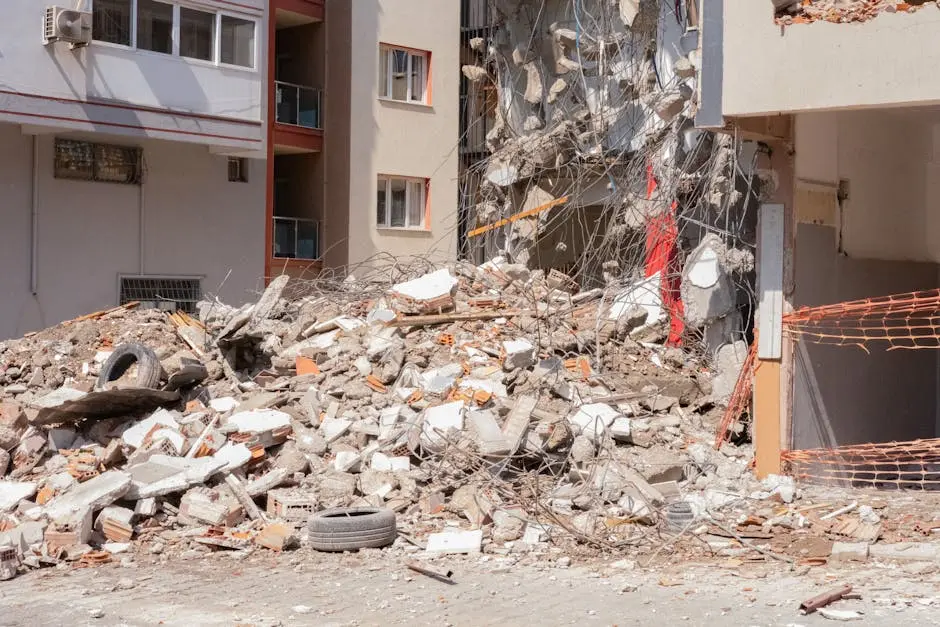
Proper cleanup reduces hazards like sharp debris and exposure to hazardous materials, keeping workers and the public safe. When demolition is completed, the site can be riddled with potential dangers such as nails, broken glass, and even asbestos. Ensuring these risks are addressed not only safeguards current and future occupants but also presents a site that is ready for its next phase. Practices such as thorough sweeping and fine-tooth comb inspection mitigate exposure to such threats.
For workers involved in the cleanup process, the use of protective gear and following safety protocols cannot be overemphasized. These measures prevent avoidable accidents, making the work environment much safer. By prioritizing safety, you uphold a culture that values life and wellbeing above all. Moreover, it lessens the likelihood of costly medical liabilities or stoppages in work progress due to accidents.
Besides personal safety, proper demolition cleanup secures equipment integrity. Loose debris and dust can harm machinery, leading to costly repairs or replacements. Ensuring equipment is free of obstructing materials and unmanaged rubble limits unnecessary wear and prolongs its utility.
Compliance with Legal and Environmental Standards
Adhering to cleanup regulations prevents legal troubles and ensures compliance with local and environmental standards. Governments impose specific waste management codes to avoid ecological damage, and non-compliance could lead to heavy fines. Cleaning up responsibly means meeting set guidelines that aim to protect our surroundings.
Regulations often include laws about the disposal of certain materials. For instance, hazardous substances like asbestos require special handling to prevent contamination. Proper cleanup respects these stipulations, facilitating a smooth project transition without legal roadblocks. Familiarizing yourself with local waste disposal laws can provide a base to navigate compliance effectively.
Preserving the Environment
By properly disposing of waste, demolition projects can minimize negative impacts on the environment, promoting sustainability. Recycling plays a significant role in this regard. For example, metals and concrete can often be repurposed, turning potential waste into valuable resources once more. This practice not only conserves non-renewable resources but also reduces the carbon footprint associated with fresh production.
Moreover, managing toxic substances with care avoids potential groundwater contamination, providing long-term environmental benefits. Proper segregation of waste fractions ensures that recyclable materials do not end up in landfills where they can exacerbate pollution or take hundreds of years to degrade.
It’s beneficial to engage with reputable waste management companies that help in achieving sustainable demolition processes. Enlist services that prioritize recycling and environmentally sound waste disposal methods.
Efficient Use of Resources
Effective cleanup ensures that resources are not wasted and salvaged materials can be reused or recycled wherever possible. This is not only cost-effective but also resource-efficient. By facilitating the reuse of building materials, projects can reduce the need to extract new raw materials.
For instance, bricks, metal beams, and wooden frames can often be repurposed in new construction endeavors. Such practices contribute to a circular economy, establishing construction as a sustainable industry. Encouraging innovation in material reuse spurs green building trends, further embedding sustainability into the sector.
Avoiding Future Complications
Thorough cleanup prevents future complications in site redevelopment, making sure that new constructions start off on the right foot. If residue from the previous structure is left behind, it can lead to structural issues during future development phases. Unsightly debris could become a hurdle in securing construction permits for future projects.
Moreover, addressing cleanup meticulously prevents delays, expedites project timelines, and ensures that the redevelopment phase can commence seamlessly. It lays a solid foundation for a smooth transition from demolition to rebuilding, allowing projects to be completed within schedule and budget. Follow our guidance on efficient cleanup services for more insights.
Wrapping It All Up
Proper demolition cleanup isn’t just a final step—it’s a crucial part of the demolition process that protects the environment, ensures safety, and respects legal regulations. Keeping these core reasons in mind ensures that projects are completed responsibly and efficiently. Discover how you can manage your demolition projects efficiently on our homepage.