
Demolition cleanup is an often overlooked but crucial step in construction and renovation projects. Not only does it ensure the work area remains safe and clean, but it also plays a significant role in environmental responsibility. In this FAQ, we’ll break down the essentials of demolition cleanup and explain why it’s so important.
What is Demolition Cleanup?
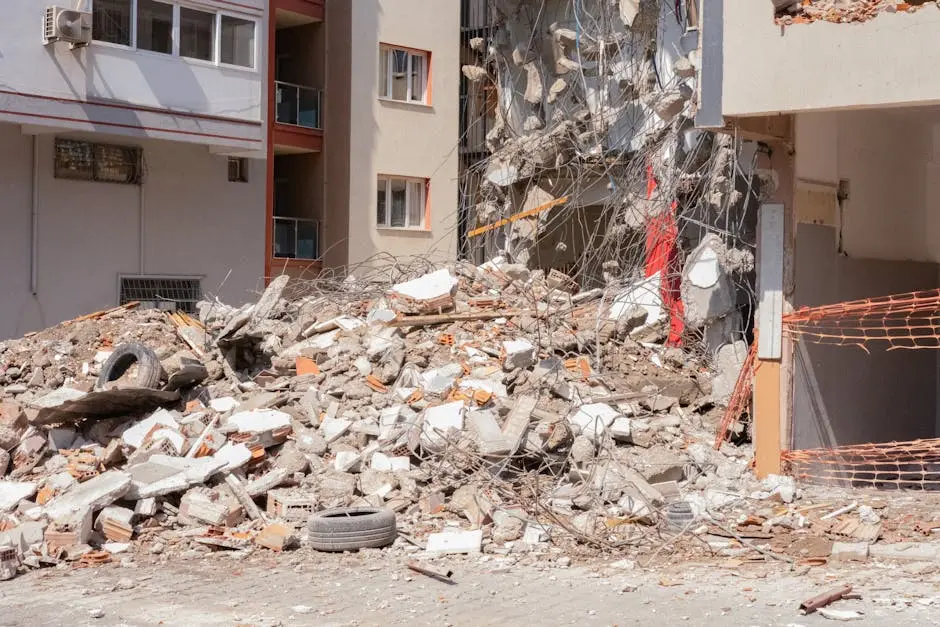
Demolition cleanup involves the removal and disposal of debris resulting from the demolition process. This includes materials like concrete, wood, metals, and various other substrates that need to be handled with care. The process is not only about clearing away what’s unwanted but also ensuring that the remnants are transported safely and disposed of in an environmentally responsible manner.
In a typical demolition scenario, a systematic strategy is implemented to dismantle and remove debris efficiently. This involves assessing which materials can be recycled or reused and which need disposal. This aspect of demolition plays a critical part in construction management as it sets the foundation for upcoming development tasks.
Why is Demolition Cleanup Important?
Proper demolition cleanup is crucial for maintaining site safety, ensuring environmental protection, and meeting regulatory requirements. It prevents accidents and mitigates health risks associated with leftover debris. Overlooking debris can lead to hazardous conditions, such as unstable surfaces and flying particles, which pose risks to workers and the public.
Moreover, effective demolition cleanup ensures that a construction site remains organized, which is vital for efficient progress on future building endeavors. An organized site allows for smooth operations, minimizing potential disruptions that can escalate costs and extend timelines.
The significance of demolition cleanup goes beyond immediate safety and aesthetics. It also involves adherence to legal standards, which mandate precise waste disposal practices. Failure to comply can result in costly fines and project delays, underscoring the importance of thorough planning and execution.
How Does Demolition Cleanup Benefit the Environment?
By properly sorting and disposing of materials, recycling opportunities are maximized, reducing landfill waste and conserving natural resources. This supports sustainable practices in construction. Recycling materials such as metals and concrete not only saves valuable resources but also reduces the carbon footprint associated with new material production.
Additionally, appropriate waste management processes help protect ecosystems from harmful pollutants that may leech into soil or waterways if not correctly contained. Adhering to environmental protocols during demolition emphasizes a commitment to preserving our planet’s health and vitality.
Innovative recycling and disposal practices within the demolition cleanup process play a critical role in advancing sustainable construction strategies. By reducing the amount of waste sent to landfills, companies can substantially cut greenhouse gas emissions, aiding global sustainability goals.
Key Steps in Effective Demolition Cleanup
Effective demolition cleanup involves thorough planning, sorting materials for recycling and disposal, and adhering to environmental regulations to ensure a safe and efficient process. Planning starts with understanding the scope of work and potential hazards involved.
Sorting materials on-site allows for quick identification of recyclables versus non-recyclables, which is a critical step in reducing waste and costs. Handling each type of material properly is vital for maintaining compliance and minimizing environmental impact.
Additionally, engaging professional services that specialize in demolition waste management can yield superior results. Professionals come equipped with both the knowledge and tools to execute cleanup operations effectively and responsibly, ensuring nothing is left outside expectations.
Who is Responsible for Demolition Cleanup?
Typically, the responsibility falls on the contractors or demolition experts hired for the project. They ensure all cleanup activities comply with local laws and industry standards. Contractual agreements generally outline specific responsibilities regarding waste management tasks and compliance requirements.
Collaboration between contractors, construction managers, and waste management teams facilitates a streamlined process that addresses all aspects of the cleanup, from initial planning to final waste disposal. It’s also important for clients to familiarize themselves with these arrangements to ensure everything aligns with their expectations.
Hiring an experienced demolition crew that provides comprehensive service offerings including cleanup ensures a hassle-free process, reducing stress for clients while delivering exceptional value and quality control.
The Essential Role of Demolition Cleanup
Demolition cleanup is more than just taking out the trash. It’s about ensuring safety, protecting the environment, and contributing to efficient project management. The importance of proper cleanup cannot be overstated, as it affects everything from the project’s success to the community and environment around it. For comprehensive support and outstanding service, look no further than our business homepage.