
When it comes to keeping construction sites tidy and efficient, roll-off dumpsters are a game changer. These large, rectangular containers offer numerous advantages that make them a popular choice for construction projects of all sizes. Whether you’re a contractor managing a large-scale build or a small construction firm working on renovations, here are some compelling benefits of opting for roll-off dumpsters.
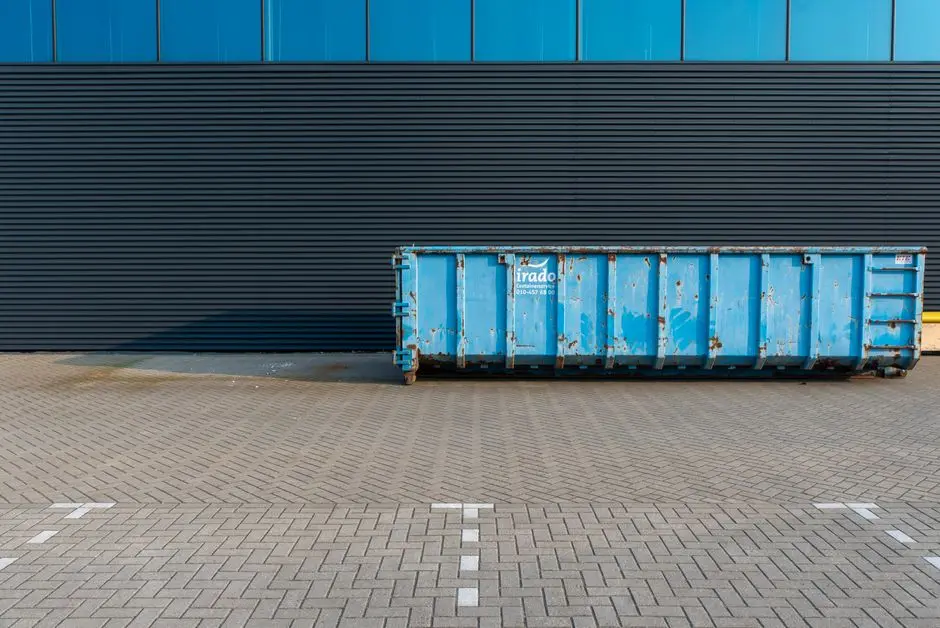
1. Streamlining Waste Disposal
Roll-off dumpsters make waste disposal effortless by providing a centralized location for all debris. This reduces the time and effort spent on waste management, allowing workers to focus on more important tasks. One of the ways these dumpsters streamline the process is by eliminating the need for frequent trips to a landfill, which can be costly and time-consuming. By having a designated space for waste collection, construction sites can maintain a cleaner and more organized environment, thereby enhancing overall efficiency. This centralization not only saves time but also helps in tracking the types of waste generated, which can be crucial for waste reduction planning efforts.
Furthermore, roll-off dumpsters are often available with specific varieties for different waste types, enabling more effective waste sorting and management. This feature is particularly beneficial for large construction sites where various types of debris, such as concrete, wood, and metals, are generated. Proper segregation can lead to increased recycling rates and reduced disposal costs, which directly contributes to better resource management and financial savings. By integrating roll-off dumpsters into the waste management strategy, construction companies can significantly enhance their project workflow and sustainability practices.
2. Enhancing Site Safety
Keeping construction sites clean and organized reduces hazards. Roll-off dumpsters help prevent accidents by ensuring waste materials are neatly contained and not scattered across the site. When debris is left unmanaged, it can lead to various safety risks, such as tripping hazards and dangerous blockages that impede emergency access points. Construction sites that utilize roll-off dumpsters can mitigate these risks by providing a clear and consistent waste disposal system, keeping pathways and work areas free from obstructions.
Site safety is not just about preventing immediate accidents but also involves minimizing long-term exposure to harmful materials. By using roll-off dumpsters, sites can securely contain hazardous materials until they are properly disposed of, reducing the risk of environmental contamination and protecting workers’ health. This practice is in alignment with the Occupational Safety and Health Administration (OSHA) guidelines, indicating a commitment to maintaining a safe work environment. The reliability of these dumpsters ensures that safety protocols are adhered to consistently, thus fostering a culture of safety awareness and compliance throughout the construction process.
3. Cost-Effective Waste Management
Using roll-off dumpsters can lead to significant savings. They reduce the need for multiple smaller disposals, lower transportation costs, and minimize the labor required for cleanup. By consolidating waste disposal into larger, more manageable loads, sites can decrease the frequency of trips taken to manage smaller waste amounts, which often incur additional fees. The operational efficiency achieved translates into cost reductions, allowing funds to be reallocated into other areas crucial for project completion.
In addition to these savings, roll-off dumpsters support more accurate budgeting for waste disposal services. By estimating the amount and type of debris beforehand, projects can avoid unexpected expenses related to waste management. This approach not only aids financial planning but also offers peace of mind by reducing the risk of encountering hidden costs halfway through the project. The predictability afforded by roll-off dumpsters further ensures that resources are optimally utilized, which is especially valuable for small- to medium-sized construction operations.
4. Flexible Size Options
Roll-off dumpsters come in various sizes, making them suitable for projects big and small. This flexibility ensures you can choose the right size for your specific needs, eliminating excess space and cost. For instance, smaller projects may require modest-sized dumpsters that accommodate minor waste output, whereas larger construction sites might opt for capacious containers tailored to massive debris loads.
Having diverse size options at your disposal ensures that the waste management plan is tailored specifically to the volume and type of debris generated at any given site. This adaptability prevents the pitfalls of overordering or underordering dumpster space, which can lead to inefficient waste disposal and additional costs. Construction managers can strategically select the perfect fit for every stage of their project, optimizing usage and minimizing material handling fees. This versatility in sizes also means roll-off dumpsters can fit within different spatial constraints, an essential consideration for urban sites with limited space. By making such bespoke planning decisions, project leaders can avoid logistical headaches and maintain a smooth workflow throughout the construction lifecycle.
5. Environmental Friendliness
By facilitating proper waste disposal and recycling practices, roll-off dumpsters contribute to environmental sustainability, helping contractors adhere to eco-friendly standards. The capacity to effectively segregate recyclable materials from general waste ensures a reduced environmental footprint and promotes the conservation of natural resources. Roll-off dumpsters make it easier for contractors to implement a green waste management plan, which aligns with growing expectations for sustainable construction practices.
Furthermore, by reducing the amount of waste sent to landfills, roll-off dumpsters inherently decrease emissions related to waste transportation and processing at disposal facilities. This minimizes the overall environmental impact of construction activities, encouraging a shift towards more sustainable industry practices. Importantly, this also enhances the reputation of contractors and developers who prioritize environmentally responsible waste management. In the modern market, eco-friendliness is not just an ethical choice but also a strategic advantage, appealing to environmentally-conscious clients who prioritize sustainability in their projects.
6. Boosting Productivity
A well-managed site fosters better productivity. With less time spent handling waste, workers can devote more attention to construction tasks, enhancing overall site performance. The use of roll-off dumpsters ensures that waste management does not become a disruptive factor in daily operations. By providing a central location for debris, workers can easily discard waste as they work, streamlining the job site layout and reducing the need to stop work to manage cleanup. This steady workflow keeps projects on schedule, avoiding costly delays.
Clear workspaces also improve the morale of the crew, as employees are more inclined to work diligently in a tidy, well-organized environment. When clutter is kept at bay, workers experience fewer distractions, enhancing concentration and job satisfaction. This elevated productivity translates into tangible outcomes, such as increased output and reduced project timelines. By eliminating time-consuming debris handling and refocusing energy on core tasks, roll-off dumpsters become integral to boosting the overall productivity of any construction endeavor. Ultimately, this results in a work culture that values efficiency and encourages the pursuit of excellence throughout the project lifecycle.
7. Simple and Convenient
Roll-off dumpsters are easy to deliver and pick up, requiring minimal instructions and supervision. This convenience streamlines the process, making waste management hassle-free. Whether you’re initiating a new project or wrapping up, knowing that a swift and simple solution is available for waste disposal is reassuring. Roll-off dumpsters remove the complexities often associated with coordinating disposal logistics, allowing project managers to focus their attention on other critical aspects of their operations.
Moreover, the straightforward nature of roll-off dumpster services means that workers spend less time dealing with waste management issues, once again maximizing efficiency on the construction site. Simplicity in service also enhances communication, as the expectations regarding usage and pickup are typically clear and concise. This reduces room for misunderstandings and potential disruptions, ensuring a smoother waste management process. With fewer logistical complications, overall site operations benefit from a more fluid, cohesive workflow that supports the achievement of project milestones with minimal hindrance.
8. Reducing Environmental Impact
Properly disposed waste in roll-off dumpsters is more likely to be recycled and repurposed, reducing landfill contributions and promoting a cleaner environment. In the journey towards sustainable development, the efficient usage of roll-off dumpsters plays a significant role, particularly in construction contexts where large volumes of waste are inevitable. These dumpsters enable more effective separation and proper disposal of materials, thus enhancing the circular economy within the industry.
Additionally, by making it easier for construction site managers to practice responsible waste management, these dumpsters contribute to a reduction in the ecological footprint of construction activities. They empower sites to meet regulatory requirements concerning waste disposal, illustrated by reduced penalties from non-compliance. The positive environmental implications extend beyond mere compliance — they embody a proactive approach to aligning the operational aspects of construction with global sustainability goals. As awareness of environmental concerns increases, the adoption of practices that significantly lower environmental impact strengthens community and client relationships too.
9. Time-Saving Solution
With roll-off dumpsters, there’s no need to halt construction work to manage waste. The convenience of immediate waste disposal saves precious time on the job site. Construction activities often operate under tight schedules with little room for delay, and any interruption related to waste handling may contribute to setbacks that affect project timelines. Roll-off dumpsters mitigate such risks by offering an immediate solution for debris removal.
Time efficiency is further enhanced by the strategic positioning of dumpsters, which minimizes travel times to disposal sites and maximizes the ease with which waste is handled. This reduces downtime significantly and allows workers to remain focused on their tasks rather than continually diverting their energy towards managing waste. Not only does this practice contribute to meeting deadlines, but it also optimizes resources by ensuring that labor is directed towards the productive elements of construction. Such a seamless integration of efficient waste disposal into project management underscores the value of roll-off dumpsters as a time-saving tool.
10. Minimizing Site Damage
Heavy-duty design and strategic placement of roll-off dumpsters prevent potential damage to the worksite, safeguarding essential materials and structures. Construction sites can sometimes face challenges regarding the movement and storage of debris that may inadvertently cause harm to completed parts of the project or nearby vegetation. Thanks to their rugged durability, roll-off dumpsters provide an excellent solution to minimize these risks by containing debris securely away from vulnerable areas.
Additionally, when containers are placed thoughtfully, they prevent unnecessary wear on site paths that might otherwise corrode through overuse or misplaced heavy machinery. With proper planning, roll-off dumpsters enhance the overall integrity of the site, ensuring that finished structures remain pristine. This careful approach to site management does not just preserve the work environment during construction, but it also has the potential to reduce restoration costs once projects are concluded. By protecting vital areas, these dumpsters ensure consistent quality and craftsmanship throughout the construction process, ultimately contributing to the reputation of the construction firm for delivering high-standard results without adverse impact.
11. Supporting Compliance
Many construction sites have strict regulations regarding waste management. Roll-off dumpsters help ensure compliance by providing a straightforward way to manage debris according to local laws. This compliance is critical not only to avoid legal penalties but also to cultivate a sense of responsibility and professionalism within the construction industry. By adhering to these regulations, construction site managers demonstrate their commitment to ethical practices and help maintain the industry’s integrity.
Moreover, by helping to meet regulatory requirements, roll-off dumpsters assist in building trust with local communities and authorization entities that prioritize environmental and safety standards. The use of compliant practices assures stakeholders that projects are managed appropriately, limiting potential environmental and societal impacts. Adopting such responsible waste disposal methods aligns with the construction industry’s broader social license to operate, crucial for long-term business success. Ultimately, roll-off dumpsters are a testament to the industry’s ability to balance practicality with regulatory compliance, enhancing both process efficiency and reputation in the eyes of clients and the public.
12. Reducing Clutter
A clutter-free site enhances workflow efficiency and morale. Roll-off dumpsters keep unnecessary materials out of the way, contributing to a more productive and pleasant work environment. Frequently, the chaos of difficult site conditions can hinder progress and demotivate staff. For the construction workforce, clear spaces mean fewer distractions and less stress caused by clutter, leading to higher focus and increased task performance.
Beyond individual productivity, reducing clutter has broader implications for project management, as it simplifies site navigation and facilitates smoother operations. When clear pathways are available, movement across the site becomes more efficient, supporting timely project completion. De-cluttering through the use of roll-off dumpsters fosters an environment of calmness and organization, which upholds project schedules and enhances safety protocols. The sight of an orderly work site also boosts client confidence in the contractor’s ability to deliver the project efficiently, further strengthening business relationships. Ultimately, roll-off dumpsters’ role in clutter reduction is indispensable in achieving systematic, hassle-free construction projects.