
Managing yard waste can seem like a daunting task. However, with the right strategies and a little know-how, you can make the process straightforward and efficient. This guide is designed to walk you through the various aspects of yard waste removal, helping you keep your outdoor space clean and green.
Understanding Yard Waste
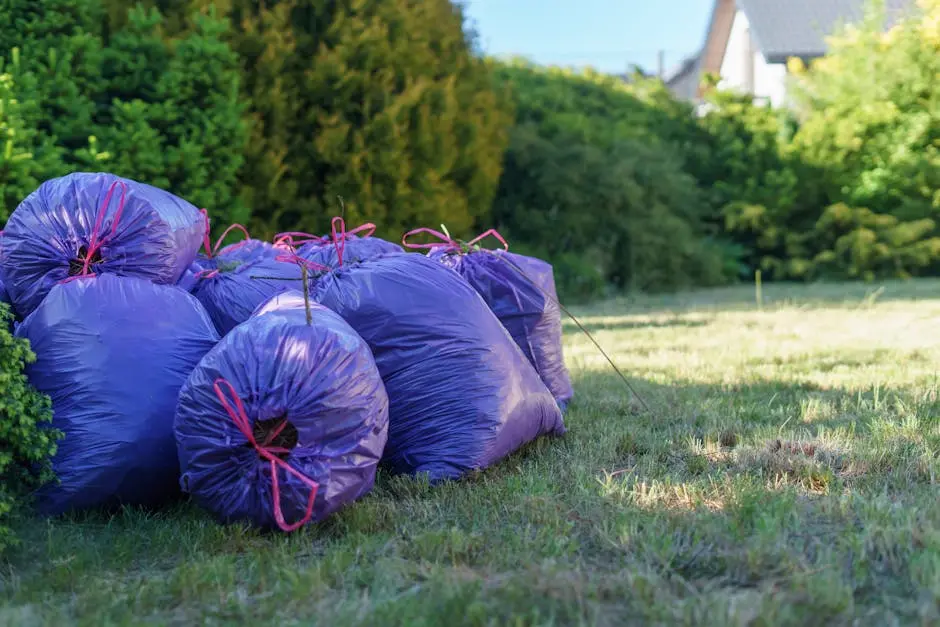
Yard waste includes grass clippings, leaves, branches, and other organic materials from your garden. Knowing what counts as yard waste is essential for effective removal and responsible disposal.
Understanding what qualifies as yard waste is not just about knowing what to discard but also about recognizing resources that could be recycled back into your garden. Items such as branches can sometimes be repurposed into artful garden decorations or used as natural barriers in flower beds. Meanwhile, grass clippings can serve as a natural fertilizer when spread thinly over your lawn. This differentiation between waste and resource is critical in managing your yard efficiently and sustainably.
Essential Tools for Yard Waste Management
To tackle yard waste efficiently, you’ll need the right tools. Basic equipment includes rakes, pruners, a wheelbarrow, and compost bins or bags for collection.
Imagine trying to maintain a picture-perfect lawn or garden without the right equipment—frustrating, right? Essential tools like quality rakes, versatile pruners, and durable wheelbarrows are indispensable. They make collecting and transporting yard debris not only manageable but also much less of a chore. Compost bins are another critical addition to your arsenal, as they transform organic waste into nutrient-rich soil supplements, closing the loop on garden waste disposal.
Investing in specialized equipment like leaf vacuums or shredders can further ease the process. Leaf vacuums speed up the removal of leaf piles, especially in larger gardens, by sucking leaves into bags for easy disposal. Shredders, on the other hand, help in breaking down bulky branches and leaves into fine mulch, reducing waste volume and creating reusable material.
Simple Techniques for Effective Yard Waste Removal
Implementing techniques like mulching, composting, and using yard waste as mulch or fertilizer not only simplifies removal but also benefits your garden.
Mulching is particularly beneficial, serving as a natural barrier against weeds and helping soil retain moisture. Creating mulch from yard waste like leaves and small branches is cost-effective and environmentally friendly. By covering exposed soil with mulch, you suppress weed growth and provide your garden beds with essential nutrients. In addition, using composting techniques transforms kitchen scraps and yard waste into rich, organic compost, promoting vibrant plant growth.
Composting might sound complex, but it’s surprisingly simple. Just assign an unobtrusive corner of your yard for a compost pile or bin, and start adding organic yard waste and vegetable scraps. Turn it occasionally with a pitchfork to aerate the material, speeding decomposition and resulting in a dark, crumbly compost perfect for feeding your garden.
Eco-friendly Disposal Options
Discover eco-conscious ways to dispose of yard waste, such as composting, community drop-off sites, or using municipal collection services. These methods are both effective and environmentally responsible.
Community drop-off sites are an excellent resource for those unable to compost at home. Many locales offer designated areas where residents can drop off their yard waste, ensuring it gets transformed into compost or mulch by local authorities. These facilities often provide residents access to finished compost, completing the cycle from waste to resource. Additionally, some municipalities conduct seasonal curbside pickup of yard debris—check with your local waste management department for schedules and guidelines.
Planning Ahead for Seasonal Yard Cleanup
Creating a seasonal plan for yard maintenance ensures that waste removal stays manageable. Regular maintenance prevents overwhelming cleanup tasks each season.
Consider breaking down the year into manageable periods, focusing on different maintenance tasks each season. In spring, focus on dethatching lawns and pruning shrubs; summer is ideal for routine mowing; autumn calls for leaf collection and bed preparation; and winter offers a chance to focus on tool upkeep and planning for the upcoming year.
By organizing a monthly yard maintenance agenda, you distribute tasks evenly throughout the year, reducing stress and making yard care more enjoyable. This proactive approach minimizes last-minute rushes, making large landscaping projects or sudden seasonal changes more manageable.
Achieve a Clean and Green Yard Effortlessly
By following these simple steps and employing the right methods, yard waste removal becomes an easy and manageable task. A tidy yard not only enhances the beauty of your home but also contributes to a healthier environment. Start incorporating these tips today and enjoy the satisfaction of a clean, waste-free yard.