
When it comes to using a dumpster rental in Detroit, understanding what materials can and cannot be placed inside is critical. One question that frequently arises is about the disposal of hazardous waste. This guide will walk you through the dos and don’ts of hazardous waste disposal in a Detroit dumpster rental.
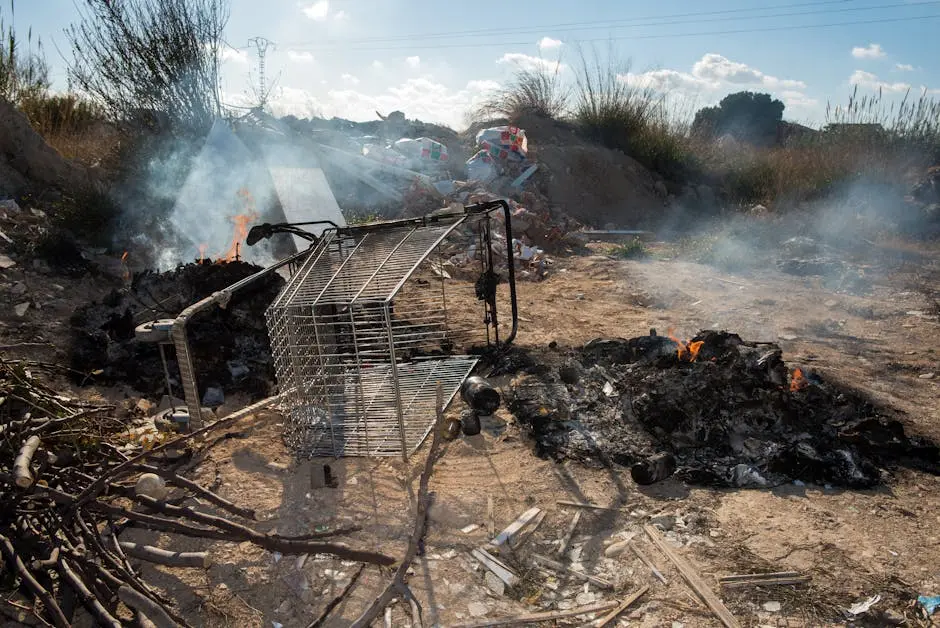
What is Considered Hazardous Waste?
Hazardous waste includes materials that are flammable, toxic, corrosive, or reactive. Examples include paint, chemicals, batteries, and certain electronic devices. Understanding this classification is essential for proper disposal.
Flammable materials, such as gasoline and kerosene, can pose significant risks if disposed of incorrectly. These substances are prone to ignition and can cause fires, making them unsuitable for standard dumpster disposal. Likewise, toxic substances, including pesticides and antifreeze, can render the surrounding environment unsafe due to their poisoning potential, posing serious risks to both human health and wildlife.
Corrosive materials like acids found in cleaning agents or industrial-grade chemicals can eat away at the dumpster and potentially leach into the ground, harming the ecosystem. Reactive wastes, such as lithium batteries, are also dangerous due to their ability to explode when mixed with other substances. Clearly identifying such materials helps prevent dangerous accidents and environmental harm.
Why Can’t Hazardous Waste Be Placed in Dumpsters?
Dumpsters are not designed to handle hazardous materials. Placing these in dumpsters can lead to environmental damage, health hazards, and potential legal issues. It’s important to handle hazardous waste through specialized disposal services.
Using regular dumpsters for hazardous waste disrupts the waste management cycle. When these materials end up in landfills, they can leak harmful chemicals into the soil and groundwater, impacting entire communities. This can lead to long-term soil contamination and pose health risks not just for people but also for local wildlife.
Moreover, businesses could face significant financial repercussions for mishandling hazardous waste. By failing to comply with local waste management policies, they are subject to fines and the potential for more serious legal action. These penalties are designed to ensure that businesses take proper responsibility for the safe and environmentally friendly disposal of hazardous materials.
What are the Legal Implications?
Disposing of hazardous waste improperly can lead to fines and penalties under Michigan’s environmental laws. This is why knowing and following the regulations is crucial for individuals and businesses alike.
The Environmental Protection Agency (EPA) regulates hazardous waste to safeguard public health and the environment. In particular, non-compliance with its standards can result in hefty fines, and persistent violation may even lead to business shutdown. In Michigan, regulations are stringent to ensure responsible waste management, thus ensuring a sustainable future.
For individual homeowners, the improper disposal of hazardous materials can similarly lead to penalties, albeit less severe than for businesses. By adhering to prescribed disposal practices, residents can contribute to a cleaner and safer community environment, maintaining compliance with regional health standards.
Safe Alternatives for Hazardous Waste Disposal
Consider taking hazardous waste to a local hazardous waste facility or special collection event. Many cities offer programs to safely collect and dispose of these materials.
Household hazardous waste collection events are regularly held in many communities. These events provide residents the chance to dispose of waste safely and often for free, ensuring that hazardous materials are managed by professionals equipped to handle them correctly.
Additionally, exploring services that specialize in the removal and disposal of specific hazardous materials can be beneficial. Some companies focus on electronic waste recycling, while others may handle chemical waste. These specialized services not only ensure safe disposal but also facilitate the recycling and potential recovery of materials when possible.
Wrapping Up: Safe Disposal Practices
Being aware of what constitutes hazardous waste and understanding disposal best practices ensures safe and legal waste management. Always consult with your dumpster rental provider for specific rules and avoid putting hazardous waste in dumpsters to protect yourself and the environment.