
Thinking about renting a dumpster? It’s a practical solution for managing waste during big projects, like home renovations or cleanouts. But before you rent, there are a few important things to consider to ensure a smooth process.
Consider the Size You Need
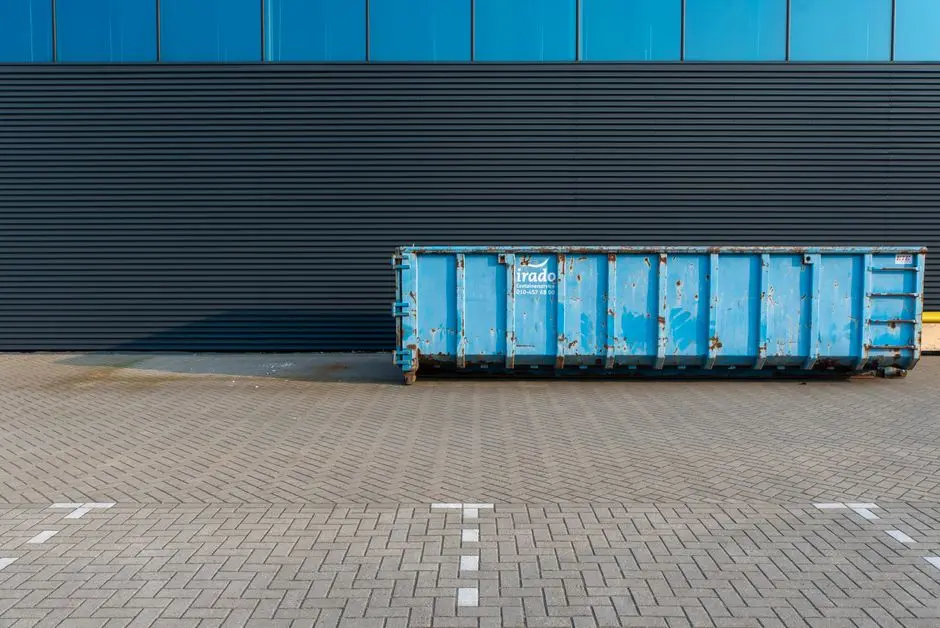
Dumpsters come in various sizes, typically ranging from 10 to 40 cubic yards. Make sure to evaluate the volume of waste you expect to produce to choose the right size. Renting a too-small dumpster might mean extra trips, while an oversized one could be unnecessarily costly.
Selecting the right dumpster size requires some forethought. Consider the project type and scope, as this will largely dictate the waste produced. For instance, a small remodel might require a 10-yard dumpster, while a full home renovation or construction project might need something larger.
Keep in mind that accumulating more waste than expected is common during a project. It’s better to have a bit of extra space than to risk needing another dumpster mid-project. Checking with your dumpster rental service can offer insights into size recommendations based on their experience with similar projects.
Understand Local Regulations
Local municipalities often have regulations and permits required for dumpster rentals. Be sure to check with your city’s waste management services to understand these requirements and avoid any fines or inconveniences.
Aside from local permits, it’s important to be aware of restrictions on certain materials. Hazardous waste, for example, often cannot be placed in dumpsters without specific handling procedures. Familiarize yourself with these rules to avoid any compliance issues.
It’s wise to consult with your local authorities or waste management service prior to renting. They can provide details on acceptable waste types and help assure that you’re in line with all necessary guidelines.
Plan for Dumpster Placement
Decide where the dumpster will be placed on your property. Consider access for the hauler’s truck, as well as proximity to the area where the waste will be generated. Ensuring clear pathways can prevent damage to your property and make loading easier.
The right placement ensures not only convenience but also compliance with safety standards. Check for overhead clearances, such as power lines, to avoid any unnecessary hazards. Furthermore, make sure the ground is level to prevent tipping.
If you lack sufficient space on private property, you might need to place the dumpster on a public street. In such cases, additional permits might be required. Always check local ordinances to ensure you’re following proper protocols.
Factor in the Cost
Dumpster rental costs can vary based on several factors like size, rental duration, and your location. Be sure to get a clear quote and understand what is included in the price, such as delivery, pickup, and possible overage fees.
Comparing rental company options can lead to significant savings. It’s also beneficial to ask about any extra charges upfront, so there are no surprises when finalizing your payment.
Budgeting for your dumpster rental isn’t just about the base price. Consider potential discounts for extended rentals or reduced pricing during off-peak seasons. Proper timing can help keep your project affordable.
Key Takeaways Before Renting a Dumpster
Renting a dumpster can greatly simplify your project, but it’s important to plan ahead. By understanding what size you need, knowing the local regulations, planning for appropriate placement, and considering cost factors, you can avoid common pitfalls and make the process hassle-free.