
Is your home feeling cluttered, and a good cleanout seems like a daunting task? Don’t worry; I’ve got you covered with some simple and effective tips to tackle your home cleanouts with ease. Let’s dive into these friendly and easy-to-follow suggestions to help you create a more organized and stress-free living space.
1. Start with a Clear Plan
Before diving into a home cleanout, it’s essential to have a clear plan. Outline which areas you want to tackle first and set realistic goals. This strategy will help you stay focused and prevent feeling overwhelmed. Start small—perhaps with a single room or just a closet—and gradually expand to larger areas. Use a checklist to keep track of your progress. This approach not only makes the task more manageable but also keeps you motivated as you tick off each item on your list.
Consider incorporating organizational tools such as spreadsheets or apps to plot your course. By breaking down the project into smaller tasks, you’ll find it less daunting and more satisfying. Remember to allocate time for each section of your home, ensuring that each area receives the attention it needs. Having a structured plan allows you to foresee potential challenges and gives you the flexibility to adjust your approach along the way, making the entire process smoother.
2. Sort and Declutter
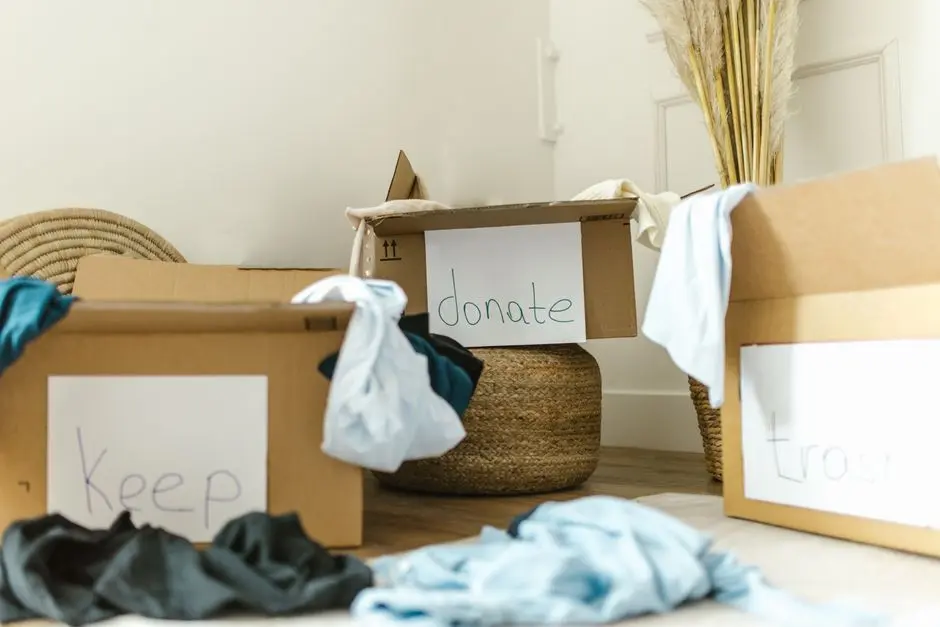
Go through each room and sort through your belongings. Create categories like keep, donate, and dispose of unnecessary items. Decluttering helps free up space and makes it easier to manage the things you truly need. Organizing guru Marie Kondo recommends asking if an item sparks joy to decide its fate. This philosophy can guide you in making difficult decisions about what to keep and what to let go of.
Be methodical in your approach—start with visibly cluttered areas before moving to less obvious spaces, like drawers and storage boxes. Group similar items together and decide if duplicates are necessary. A seasonally-cluttered attic, for instance, might house many forgotten treasures. By methodically evaluating each item, you can drastically reduce superfluous possessions, paving the way for a tidier home that better reflects your lifestyle and needs.
3. Utilize Storage Solutions
Effective storage solutions can make a world of difference. Use bins, baskets, and other organizers to neatly store items while keeping them easily accessible. Embrace shelves and under-bed storage to maximize your space. Consider investing in modular furniture that can be adjusted as your storage needs change. Creative storage solutions not only enhance the aesthetic appeal of your home but also improve its functionality.
Remember, labels are your best friend when it comes to organization. Labelling boxes and bins prevents items from being misplaced, effectively saving you time and stress later. Implementing a consistent labeling system across all storage elements gives your home an organized, cohesive look, making it easier for everyone in the household to navigate their belongings.
4. Embrace Minimalism
Ask yourself if every item serves a purpose. Adopting a minimalist mindset can ease the process of letting go of things you no longer need and ultimately create a more peaceful environment. The minimalist movement has gained traction for a reason—it’s rooted in the philosophy of living with less to achieve more peace and simplicity in life.
Living minimally doesn’t mean discarding everything but rather making conscious decisions about what adds value to your life. Assess your belongings—those untouched items at the back of your closet or hidden in the garage might be a sign it’s time to let go. Simplifying your environment fosters mindfulness and helps prioritize what truly matters. For ideas, explore online minimalist communities that share inspiring insights and experiences.
5. Involve the Entire Household
Get everyone in your household involved in the cleanout process. Assign tasks according to age and ability to make it a collaborative effort, and instill a sense of responsibility in maintaining a tidy home. Children can be surprisingly knowledgeable when it comes to sorting toys and books, learning important skills like organization and responsibility in the process.
Make it a fun family activity by playing music or creating small rewards for tasks completed. This approach not only speeds up the cleanup but also helps build teamwork and cooperation among family members. Involving everyone ensures that the home remains orderly, as each person takes ownership of their space.
6. Set a Maintenance Routine
Once you’ve completed the cleanout, set regular maintenance routines to keep your home in order. Consistent tidying and organizing will prevent clutter from piling up again. Create a cleaning schedule that everyone in the family can follow, rotating responsibilities to ensure that the workload remains balanced.
Reflect on which areas quickly accumulate clutter and devise strategies to address these hotspots. Monthly or seasonal check-ins can help you adjust your routine as needed, promoting long-term consistency and cleanliness. Introducing regular household meetings to discuss organizational success and areas for improvement can foster an ongoing commitment to a clutter-free environment.
7. Celebrate the Process
Lastly, celebrate the progress you make. Whether it’s a cup of tea or a small purchase for your newly organized space, taking the time to acknowledge your efforts can be incredibly rewarding. Treat yourself for a job well done—it signifies the beginning of a new chapter in your home and life.
Share your achievements with friends or family, perhaps hosting a post-cleanout gathering in your fresh, organized spaces. This can further motivate you and others to maintain the order you’ve worked hard to establish. Celebrating milestones gives you a chance to reflect on the transformation and insights gained through this journey.