
Home cleanouts can be daunting, whether you’re decluttering, downsizing, or dealing with a loved one’s estate. However, with a few practical tips and a well-organized approach, you can transform what seems like an overwhelming task into a manageable and even satisfying project.
Assessing the Scope of Your Cleanout
Before diving into the cleanout, it’s crucial to evaluate the scope of the project. Determine which areas need attention, specify your goals, and estimate how much time you will need. This initial assessment can help you devise a realistic and effective plan.
Once you’ve identified the areas requiring the most attention, it’s helpful to categorize them based on urgency and difficulty. Some spaces might just need a little tidying up, while others might demand a complete overhaul. Prioritizing tasks will not only keep you focused but also boost your morale as you tick off accomplishments. For those challenging areas, consider setting a time limit for each session, which can prevent feeling overwhelmed and help keep your cleanout momentum going. Whether it’s the attic that’s become a storage black hole or a garage filled with tools and forgotten projects, having a clear picture of the workload lays a strong foundation for efficient execution.
Gathering the Right Tools and Supplies
Equipping yourself with the right tools is essential for a smooth cleanout. Stock up on boxes, bins, labels, and cleaning supplies. Consider renting larger equipment if necessary, such as dumpsters or moving trucks, depending on the scale of your project.
A well-prepared toolkit can save you time and energy. Think of it as an investment in making your cleanout process as seamless as possible. Besides the basics, consider adding a label maker for organized categorization, or vacuum-storage bags to compress and store items efficiently. For larger projects, renting a roll-off dumpster can be an excellent option to manage bulky waste, keeping your cleanout site tidy and navigable. Planning your toolset ahead ensures you won’t have to stop mid-task to fetch essential items, contributing to a more focused and continuous workflow.
Creating a Systematic Plan
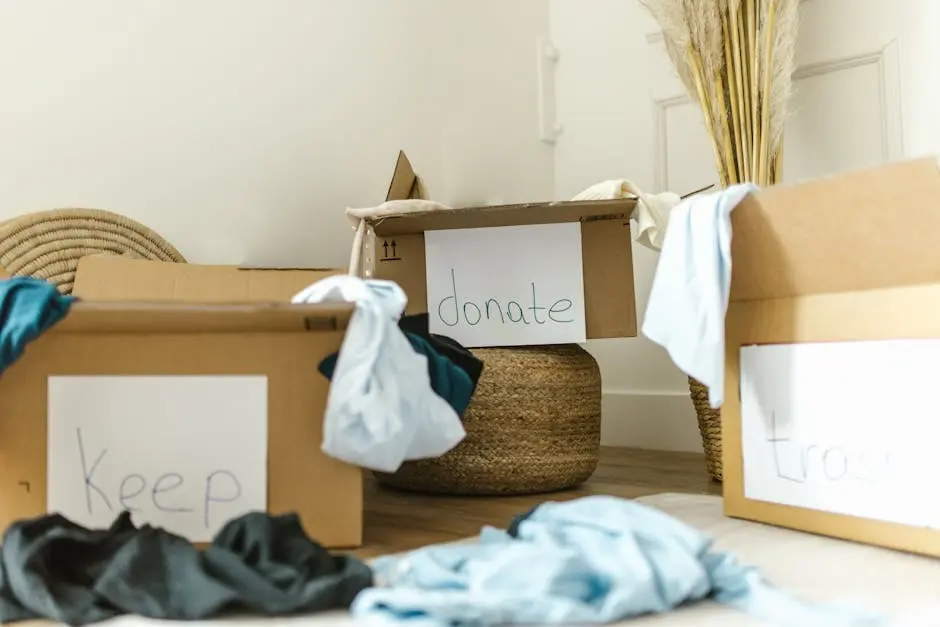
Break down the cleanout into smaller tasks and tackle one room or area at a time. Create a checklist to stay organized and motivated. Establish clear sorting categories, such as keep, donate, sell, and discard, to streamline decision-making.
Taking on a project one chunk at a time not only makes the task feel less daunting but also lets you focus on doing each part well. As you work through your checklist, you’ll likely discover that some items you initially tagged to keep don’t hold as much value as they once did. Continue asking yourself these essential questions: ‘Is this item truly useful?’ and ‘Does it support the lifestyle I wish to have?’ Such questions can drastically aid the decision-making process. Over time, this method not only simplifies cleanouts but also encourages mindfulness and intentionality in how you fill your space, ultimately leading to a more sustainable and less cluttered living environment.
Managing Emotional Attachments
Letting go of items can be emotionally challenging, especially if they hold sentimental value. Be gentle with yourself and allow the space to process feelings. Set limits for mementos and focus on retaining pieces that truly bring joy or serve a functional purpose.
One strategy to handle emotional attachments is to create a memory box. This is a dedicated space for keepsakes that hold significant sentimental value. By limiting the size of this box, you are encouraged to prioritize what truly means the most. Reflect on items like the children’s first drawings or cherished gifts from loved ones that have since passed. By selecting only the most meaningful items, you honor both the memory and the space they occupy. Furthermore, consider taking digital photos of items you’re ready to let go of but want to remember. This practice helps you preserve precious memories while maintaining a physical environment uncluttered by the past.
Enlisting Help for Efficiency
Don’t hesitate to recruit family, friends, or professional services to assist with the cleanout. Extra hands can increase productivity and make the process more enjoyable. Be clear about tasks and delegate responsibilities to ensure everyone knows their role.
Collaboration can transform a solitary task into a social activity, providing motivation through shared goals and camaraderie. Perhaps your children might take charge of tidying their spaces, or a friend could assist by running donation runs. If the cleanout feels beyond your reach, professional services can offer expert advice and lend their seasoned expertise to the process. Professional cleanout services are trained to efficiently sort through items without emotional bias, helping you maintain focus on the task at hand. Meanwhile, leveraging help and expertise effectively balances progress with personal well-being, ensuring the process is as smooth and rewarding as possible.
Efficiently Disposing and Donating Items
Disposing of unwanted items responsibly is crucial. Research local donation centers, recycling facilities, and waste management services. Consider hosting a garage sale or utilizing online platforms to sell valuable items, giving them a second life while decluttering your space.
Championing responsible disposal not only benefits the environment but can also be a form of giving back to the community. Many charitable organizations appreciate donations, making it a win-win scenario by turning your excess into someone else’s treasure. Before discarding, thoroughly evaluate each item to minimize waste sent to landfills. For items with potential resale value, platforms like online marketplace websites or local garage sales enable you to recoup some monetary value. This can serve as an incentive, sweetening the cleanout process through tangible benefits and ultimately reinforcing proactive habits for future lifestyle changes.
Maintaining an Organized Home
After a thorough cleanout, implement strategies to maintain order in your home. Regularly review belongings, establish storage solutions, and cultivate habits that prevent clutter from accumulating. A well-organized living space is key to sustained peace of mind.
Habits such as the ‘one in, one out rule’ can significantly reduce clutter. This principle revolves around the idea that when a new item enters your home, an old one should leave. Additionally, scheduling periodic ‘mini-cleanouts’—such as every season—ensures that you continuously reassess the necessity and value of your possessions. Consider also incorporating organizational hacks, like drawer dividers, closet organizers, and multi-purpose furniture, which maximize space while maintaining aesthetics. Ultimately, by embedding these methods into your daily routine, you create a sustainable, clutter-free environment that nurtures both physical space and mental clarity.
Simplify Your Space, Simplify Your Life
Embarking on a home cleanout doesn’t have to be a dreaded task. With a strategic approach, the right tools, and a willingness to let go of what’s no longer needed, you’ll find satisfaction in a tidy and rejuvenated space. Remember, the effort you invest in a thorough cleanout can pave the way for a more organized and stress-free living environment.