
Undertaking a project, whether it’s a home renovation or a construction site cleanup, often requires the right size dumpster to handle all your waste efficiently. Choosing the appropriate dumpster size can be crucial to keep your project running smoothly and within budget. Let’s dive into some essential tips to help you make the right choice.
1. Assessing Project Scale
Understanding the scale of your project is the first step in choosing the right dumpster size. Whether you’re clearing out a garage or building a new extension, knowing the volume of waste you expect will guide your size decision. Typically, smaller home projects might require a 10-yard dumpster, while larger construction sites might need a 40-yard container. It’s crucial to assess the total area and volume to avoid multiple disposal trips, which could save both time and money.
Indeed, estimating the project’s overall scope is like making an educated guess. It’s helpful to picture the type and amount of waste you’ll be generating. A home renovation, for instance, might mean disposing of a mix of wood, drywall, and other construction materials, requiring more space than expected. If you’re unsure about the size, don’t hesitate to seek expert advice from a dumpster rental professional.
2. Considering Waste Type
Different projects produce different types of waste. Recognizing whether you’ll mainly have light debris or heavier materials like concrete will go a long way in selecting the appropriate dumpster. Heavy materials need sturdier containers, and you might need to consider the weight limits set by the rental service. For example, a 20-yard dumpster may hold similar volumes, but the weight of the content dramatically differs.
Moreover, by sorting waste types and their expected quantity, you can prevent unnecessary costs from overloading a dumpster too quickly. Understanding materials like yard waste, furniture, or hazardous substances also ensures you’re compliant with local disposal regulations, which might prohibit specific types of waste.
3. Understanding Dumpster Types
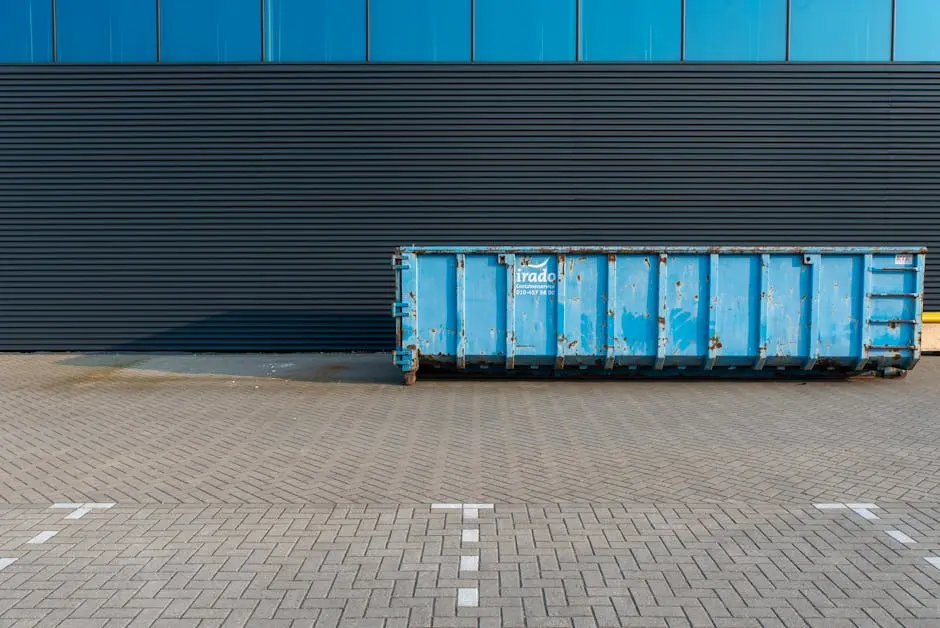
Familiarize yourself with the various dumpster types available. Each type serves different needs, from roll-off dumpsters suitable for construction waste to smaller options for home cleanouts. Typically, roll-off dumpsters are the go-to for bigger projects due to their larger capacity and ease of loading. On the other hand, front-load dumpsters might be more practical for recurring waste removal for businesses or smaller home endeavors.
Remember that the choice of dumpster also impacts the ease of access and safety on your site. Opt for a design that best fits your operational flow and type of waste you’re managing. Aiming for the right match optimizes project efficiency by ensuring waste is managed without delay.
4. Evaluating Space Constraints
Ensure the space where the dumpster will be placed is adequate. Access and placement restrictions may limit your options and ultimately define the size you can choose. Small driveways or busy streets make placement tricky, especially with larger dumpsters. Measure the dimensions of your site and understand local logistics to anticipate potential challenges.
Additionally, confirm that local laws or neighborhood regulations do not restrict your selected placement. In congested urban settings or residential areas, permissions might be necessary to avoid fines or removal delays. Proper planning ensures a smooth progression of your project without any unexpected interruptions.
5. Estimating Disposal Frequency
Consider how often you’ll need to empty the dumpster. Projects with ongoing waste generation may benefit from a larger dumpster to reduce the frequency of disposals. Alternatively, if you’re generating waste in batches, arranging pickup after specific phases might be more efficient.
It’s all about balancing the workflow with logistical practicality. Larger dumpsters reduce logistical complexity and maintain a more organized site which, in turn, increases worker productivity. Scheduling pick-ups or deciding to use multiple dumpsters can streamline your operations significantly if waste is generated continuously over an extensive period.
6. Budgeting for Dumpster Costs
Dumpster rental costs vary by size. Align your budget with your dumpster needs without compromising on necessary size, and explore rental service providers for competitive pricing. Prioritize negotiating a contract that includes a clear breakdown of fees for overages, daily rent, and other potential add-ons.
Consider potential incentives or offers, especially if your project scope might require extended use of rental services. Comparing these costs upfront against local competitors could make a significant difference to your overall project budget and outcome.
7. Researching Local Regulations
Familiarize yourself with any local regulations regarding dumpster placement and waste types allowed. Compliance can affect your choice of dumpster size. Zoning laws may dictate where you can place a dumpster and the duration it can remain on the site.
Given these variances, acquiring permits or clarifications from local authorities preemptively ensures no delays. Missteps in compliance might result in fines or temporary halts in your project. It’s a necessary step to protect your timeline and budget.
8. Discussing with Professionals
Consult with waste management professionals to get insights tailored specifically to your project’s demands. Their experience can help you avoid common pitfalls. They can provide recommendations based on other similar projects and even customize solutions fitting your specific scope and waste type.
These consultations might uncover hidden opportunities, like more effective distribution of waste types or innovative disposal techniques that can save either time or money—leveraging expert know-how benefits your project exponentially regarding efficiency and compliance.
9. Planning for Unexpected Volume
Anticipate unexpected increases in waste volume. Choosing a slightly larger dumpster than initially estimated can provide peace of mind. A contingency buffer in your waste management plan allows for unforeseen circumstances, such as increased material waste or weather impacts causing project delays.
Embrace flexibility by overestimating slightly, especially if previous projects hinted at underestimation issues. Keeping project dynamics adaptable serves to reduce stress and enhance on-the-ground decision-making effectiveness.
10. Using Dumpster Sizing Tools
Take advantage of online dumpster sizing calculators. These tools offer quick estimates and visual aids to help predict the size you need. Instantly visualizing different sizes and fitting statistics into a user-friendly interface can streamline your initial decision-making process when sizing your dumpster needs.
Most platforms offering these tools also provide consultation services, where experts review your online analysis, ensuring accurate data points. Such supportive measures simplify the decision complexity while aligning with project timelines and constraints.