
In today’s world, effective waste management is more crucial than ever. When it comes to large-scale waste disposal, commercial dumpsters play an indispensable role. However, it’s not just about managing waste—it’s about managing it responsibly. Let’s explore why responsible disposal with commercial dumpsters is important and how it can make a significant difference.
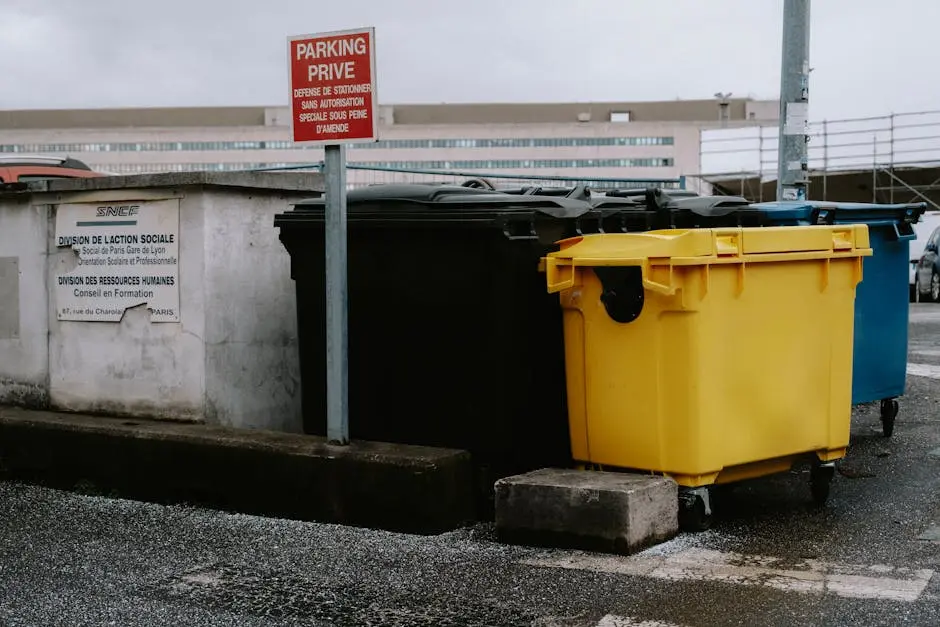
Understanding Commercial Dumpsters: An Overview
Commercial dumpsters are robust containers used for collecting and transporting large volumes of waste. They are a common sight in commercial and industrial sectors, serving as essential tools for managing waste efficiently. These dumpsters come in various sizes, from smaller ones suitable for office buildings to larger ones designed for construction sites and industrial complexes. Their versatility makes them ideal for different types of waste, including recyclables, construction debris, and non-hazardous materials.
The use of commercial dumpsters not only facilitates efficient waste management but also helps maintain cleanliness and order in the surrounding environment. By providing a centralized location for waste collection, they prevent unsightly waste accumulations and reduce the risk of pest infestations. Moreover, proper use of these dumpsters contributes to effective recycling efforts, as businesses can separate recyclable materials directly at the waste source, streamlining the recycling process.
The Environmental Impact of Improper Disposal
Improper disposal of waste can lead to significant environmental consequences, including pollution, habitat destruction, and contribution to climate change. Proper use of commercial dumpsters helps minimize these impacts by ensuring waste is collected and processed correctly. For instance, by segregating waste at the source, businesses can contribute to reducing landfill overflows, thereby decreasing methane emissions—a potent greenhouse gas often associated with landfill waste decomposition.
Additionally, responsible dumpster use prevents harmful substances from leaching into the soil and water systems. This is crucial in protecting biodiversity and maintaining ecosystems’ health. Such measures are often complemented by local governmental policies that impose strict regulations on waste disposal methods, underscoring the need for businesses to stay informed and compliant with current environmental standards.
It’s also important to highlight the human impact of negligent waste disposal practices. Communities living near waste disposal sites are often at risk of adverse health effects due to exposure to hazardous materials. Therefore, the collective action of businesses adopting responsible disposal practices can significantly mitigate these risks, promoting safer and healthier communities.
Key Practices for Responsible Dumpster Use
To ensure responsible disposal, it’s essential to follow certain practices such as sorting waste, adhering to local regulations, and scheduling regular pickups. Training staff on these practices can significantly enhance the efficiency and responsibility of waste management. For example, having clearly labeled dumpsters for recyclables and non-recyclables can minimize the chances of improper sorting and aid in the accuracy of waste segregation efforts.
Businesses can also benefit from implementing a waste audit program to assess the types and quantities of waste generated. This not only helps in understanding the company’s waste profile but also in identifying areas for improvement. By optimizing the waste management process, businesses can potentially reduce their waste output, decrease disposal costs, and increase recycling efficiency.
Engaging with waste management professionals for guidance and support is another crucial practice. They can provide insights into the latest regulations and assist in developing a comprehensive waste management plan that aligns with an organization’s goals and compliance requirements. Additionally, using locally sourced disposal services can reduce the carbon footprint associated with waste transportation.
Legal and Economic Benefits of Responsible Disposal
By adhering to responsible disposal practices, businesses not only comply with environmental regulations but can also enjoy economic benefits, such as reduced fines and potential tax incentives. Additionally, being known as an environmentally conscious company can enhance brand reputation. Customers today are increasingly aware of sustainability issues and prefer doing business with companies that demonstrate environmental responsibility.
Beyond regulatory compliance, many businesses are finding that sustainable practices can lead to cost savings. Efficient waste management reduces the volume of waste ending up in landfills, which can lead to lower waste disposal costs over time. Furthermore, companies that actively engage in green initiatives may find themselves eligible for government grants or subsidies, providing additional financial incentives for responsible disposal.
The Role of Technology in Enhancing Responsible Disposal
Technology plays a significant role in optimizing waste management processes. From advanced sorting systems to digital tracking of waste, technology helps in ensuring more efficient and responsible use of commercial dumpsters. Innovations such as smart dumpsters equipped with sensors can provide real-time data on waste levels, enabling timely collection and reducing overflow incidents.
Companies can harness software solutions to streamline the scheduling of waste pickups and track disposal activities. This helps in maintaining transparency and accountability throughout the waste management process. By adopting these technological advancements, businesses not only enhance operational efficiency but also demonstrate their commitment to sustainable practices, which can be an attractive trait to stakeholders and customers alike.
Building a Sustainable Future Through Responsible Disposal
Responsible disposal using commercial dumpsters is not just a necessity for compliance, but a cornerstone for sustainability and community well-being. By embracing best practices and fostering a culture of responsibility, businesses can play a crucial part in protecting the environment and promoting public health, while setting a standard for others to follow. Explore greener waste management solutions to contribute to a sustainable future.