
In times of natural disasters, ensuring access to basic sanitation becomes a critical part of disaster relief efforts. Portable toilets play a crucial role in maintaining hygiene, preventing disease, and providing dignity to those affected. In this blog, we explore the significance of portable toilets in disaster relief and how they contribute to the overall well-being of communities in crisis.
Understanding the Importance of Hygiene in Disaster Zones
Proper sanitation is often compromised in the aftermath of a disaster, leading to the spread of diseases. Portable toilets provide a solution by ensuring that waste is managed safely and effectively, protecting community health.
In disaster-stricken areas, the breakdown of regular sanitation services can lead to severe health repercussions. The lack of proper facilities can result in contaminated water sources, which further exacerbates the spread of diseases like cholera and dysentery. During such crises, portable toilets become a frontline defense in disease prevention. They offer a hygienic solution where traditional sanitation infrastructure is either non-existent or has been severely damaged. Quick deployment of these units can significantly reduce the community’s exposure to harmful pathogens, thereby saving lives and maintaining public health. As a result, portable toilets not only address immediate sanitation needs but also serve as a foundational aspect of public health in post-disaster scenarios.
As part of a comprehensive disaster relief plan, providing access to portable toilets is a key strategy to improve hygiene. It is essential to provide these facilities at various relief camps and affected neighborhoods. This helps in effectively managing waste and ensures that it does not contaminate the environment, further reducing health risks.
The Mechanics of Portable Toilets
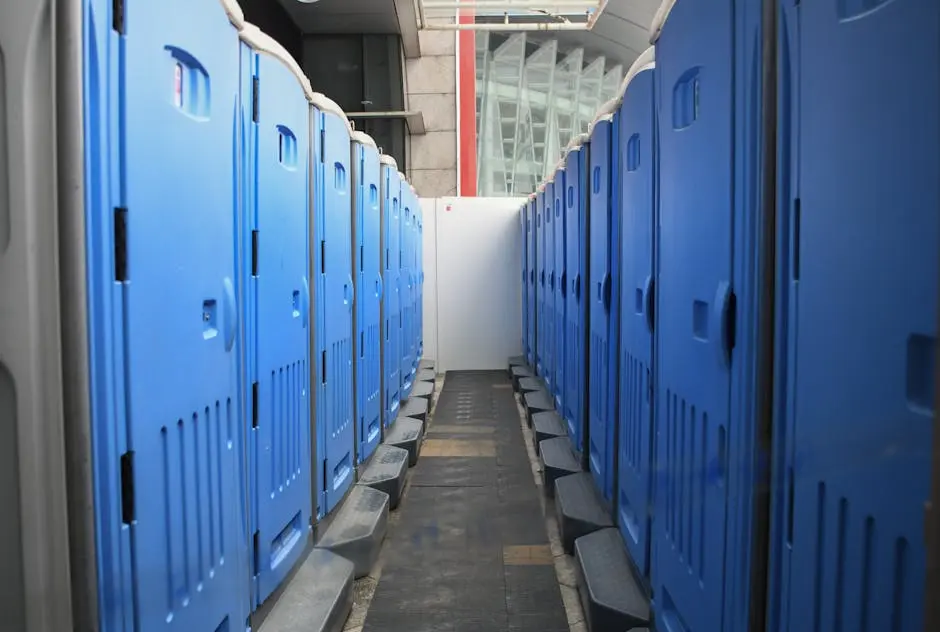
Portable toilets are designed to be easily transported and set up in a variety of locations. They function as self-contained units that secure waste until it can be safely processed, making them ideal for the unpredictable and changing conditions of disaster zones.
The versatility of portable toilets stems from their unique design, which combines functionality with ease of transportation. These units are equipped with features such as odor control, ventilation systems, and secure containment that prevents leakage and spillage. This containment is crucial in avoiding contamination of nearby areas, especially where the soil may have been compromised. Furthermore, some models come with solar-powered lighting or built-in washbasins to enhance usability, especially in areas without electricity.
Technological advancements have also introduced eco-friendly models that focus on sustainability. For example, some portable toilets are designed to separate solid and liquid waste, allowing for more straightforward processing and recycling of the materials. These innovations ensure that as we seek to meet immediate sanitary needs, we also consider the longer-term environmental impact.
Deployment and Maintenance
Deploying portable toilets quickly and efficiently can be a logistical challenge. Understanding site selection, supply chains, and ongoing maintenance are key to ensuring that these toilets remain operational and effective during crises.
Logistics plays an essential role in the successful deployment of portable toilets. Relief agencies must plan for the transportation and placement of these units, ensuring they are distributed in high-demand areas that can cater to the most significant number of people. Placement alone, however, does not guarantee success. Maintenance teams must win the battle against time to ensure that units are consistently cleaned and waste is removed safely. This demands a well-coordinated schedule of maintenance that is adaptable to the dynamic nature of disaster situations. Additionally, a reliable supply chain for cleaning agents, deodorizers, and spare parts must be established to keep units operational for extended periods.
Coordination between various stakeholders – local government bodies, NGOs, and logistics providers – is crucial for the effective deployment of sanitation facilities. Training local teams in sanitation maintenance can also provide opportunities for community engagement and empowerment, ensuring a smoother operation and sustainable management.
Challenges and Innovations in Portable Sanitation
While portable toilets are essential, they come with their own set of challenges, such as odors and limited capacity. Innovations in design and technology are helping to overcome these issues, making portable sanitation more effective than ever before.
One of the main challenges of portable toilets is odor control, which can deter individuals from using them despite their necessity. Innovations such as advanced ventilation systems and chemical deodorizers are tackling this problem head-on by minimizing foul odors. Moreover, limited capacity often means frequent emptying, which can be logistically intensive. Some newer models incorporate waste compression technology, which helps maximize the storage capacity of the unit without compromising sanitation. Additionally, eco-friendly solutions that enable safe biowaste decomposition on-site are emerging, reducing the need for extensive waste removal processes. These innovations not only improve the functionality of portable toilets but also contribute to their acceptance during emergency deployments.
The Human Impact: Restoring Dignity
Beyond the technical aspects, portable toilets restore a sense of dignity for those who have lost so much. Providing a private and clean space is a small but significant step toward rebuilding lives and communities.
The psychological impact of having access to a clean, private facility cannot be overstated. In the aftermath of a disaster, personal dignity often suffers as much as physical health does. By ensuring that individuals do not have to worry about basic sanitary needs, we offer them the mental space to focus on other pressing issues, such as rebuilding homes and finding loved ones.
Moreover, portable toilets help in reaffirming a basic human right to sanitation, bridging the gap between short-term crisis response and long-term recovery. This simple act of providing reliable facilities empowers individuals and communities, instilling hope and a sense of normalcy in the midst of chaos.
The Essential Role of Portable Toilets in Disaster Relief
In the face of disaster, prioritizing sanitation through the use of portable toilets can make a life-changing difference. These essential facilities not only help maintain hygiene and health but also restore a sense of dignity to those affected. By understanding their importance and promoting their deployment during emergencies, we can improve the quality of disaster relief efforts and the lives of countless individuals.