
Renting a dumpster in Boston might seem straightforward, but there are several common pitfalls that can complicate the process. By understanding these mistakes, you can ensure a smoother and more efficient experience for your project. This guide will walk you through the most frequent errors renters make and how to avoid them.
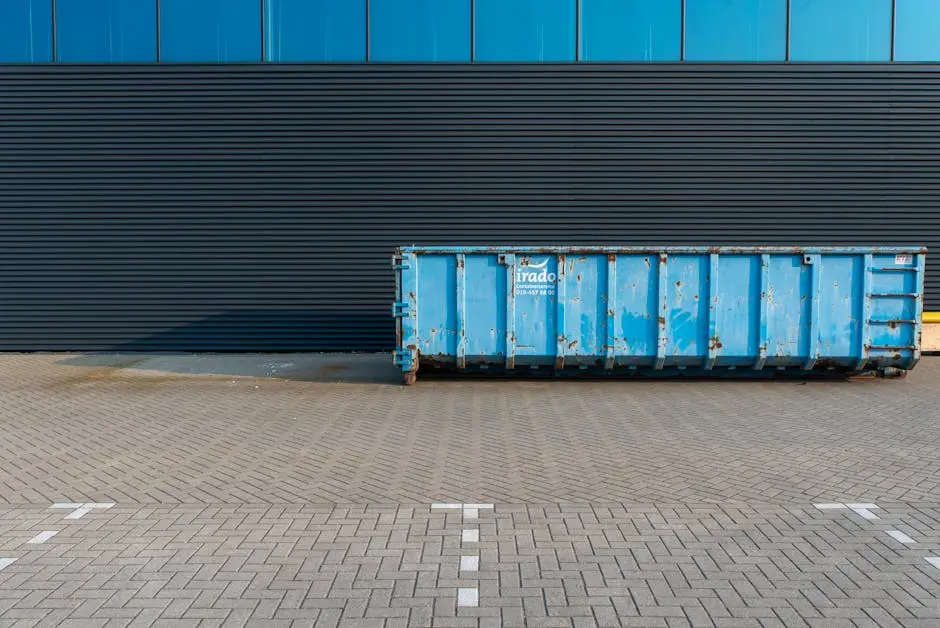
1. Skipping the Permit Process
In Boston, permits might be necessary if you plan to place the dumpster on the street. Failing to secure the right permits can lead to fines or delays in your project. It’s crucial to check with the city’s local administration to understand the regulations that apply. Permits not only ensure compliance with local laws but also help in maintaining harmony with neighbors. Some residents might be unaware of the dumpster’s purpose and, without official authorization, might report it as a nuisance, further complicating your project schedule. To avoid these headaches, make sure to learn about local permits first.
Additionally, having the right permit can prevent unexpected interruptions. Imagine starting your project only to stop halfway because a city official flagged you down. This could set your timeline back significantly. Plus, dealing with the legalities after the fact could lead to additional expenses and stress—resources better spent on finishing your project or enhancing your setup.
2. Choosing the Wrong Dumpster Size
Selecting a dumpster that’s too big or too small for your needs can waste money and resources. It’s important to assess your project’s scale before making a choice. A smaller remodeling task might only require a compact 10-yard dumpster, while bigger projects like home renovations may need a 30-yard container. Misjudging the necessary size means risking additional fees if you need to rent a second dumpster or pay for space you didn’t use. Always factor in the volume and type of debris you anticipate generating.
Consulting with a professional service provider can save you from these errors. They can offer insights based on similar past projects and recommend the appropriate size tailored to your specific job. Many rental companies also provide online tools or calculators that can aid in estimating the required dimensions. By using these resources, you’ll optimize the rental cost and align it perfectly with your cleanup requirements.
3. Not Considering Dumpster Placement
Improper placement can cause accessibility issues and potential damage to your property. Plan ahead to choose a location that accommodates your needs while considering traffic flow and space. A clear path to the dumpster ensures that waste disposal remains easy and efficient throughout the duration of your project. Avoid placing it near soft ground or landscaping that can become damaged under the weight of the dumpster.
The best spot is usually a flat, solid surface that can safely support the weight of the combined dumpster and debris. This could be your driveway or a designated area on the construction site. Avoid placing a dumpster on steep inclines as they often lead to unsafe conditions. Furthermore, keeping the entrance unblocked ensures that pickups and drop-offs occur without logistical hassles. Taking these factors into account helps prevent unnecessary damage and simplifies waste management.
4. Ignoring Weight Limits
Each dumpster has a weight limit, and exceeding this can incur additional charges. Be mindful of what you’re disposing of and stay within the specified limits. Not only does adhering to these limits save you money, but it also ensures safe transportation by the rental company. Heavier loads can strain vehicles, potentially leading to accidents or costly wear and tear.
To prevent surpassing weight restrictions, separate light from heavy materials when possible and continually monitor the load’s progress. Frequently check the debris levels, especially when using dumpsters for materials like concrete or dirt, which can quickly become heavy. Transparency with the rental provider about your materials can often lead to advice on more suitable disposal methods or alternatives that could be more cost-effective.
5. Overlooking Prohibited Items
Not all items can be tossed into a dumpster. Hazardous materials, electronics, and certain appliances often require special handling. Knowing these restrictions can prevent unexpected issues. Item lists typically include chemicals, flammable materials, and batteries—items that pose risks to the environment and public health if not correctly managed. Make sure to check with your dumpster provider on what is allowed to avoid complications.
If your project involves disposing of prohibited items, it’s wise to contact facilities that handle specific waste types, like hazardous waste centers, to ensure proper disposal. By responsibly managing these materials, you contribute to a safer environment and reduce potential legal liabilities. Being informed about what can and can’t go into the dumpster makes the process smoother for everyone involved.
6. Delaying Your Booking
Waiting until the last minute to book a dumpster can limit your options, especially during peak times. Scheduling in advance ensures availability for your desired dates. During busy seasons—like spring and summer when home improvement projects are at their height—booking early can make or break your timeline. Without proactive planning, you may end up with an unsuitable dumpster choice or none at all.
To avoid this, approach the rental process with a clear timeline and stick to it. Once project details are confirmed, reach out to your preferred dumpster service immediately. Not only does this secure your spot, but some companies offer early-bird discounts that help reduce costs. Pre-booking is a simple step that guarantees a smoother project execution.
7. Misunderstanding Rental Periods
Rental periods can vary across companies. Clarifying these details and planning your project timeline accordingly can help you avoid extra costs. Most companies offer duration options that range from a few days to a week, with necessary extensions available for a fee. Understanding these terms ensures you are not caught off-guard by unexpected charges or inconveniences.
It is essential to negotiate or discuss potential extensions upfront if you foresee a longer project timeline. If a company charges daily after the initial rental period, you can prepare accordingly. Always read the agreement thoroughly, including the fine print, to avoid surprises. This foresight allows for better budget management and project scheduling, upholding productivity without financial strain.
8. Neglecting Neighborhood Regulations
Each neighborhood may have specific rules regarding dumpster rentals. Familiarize yourself with local regulations to ensure compliance and avoid neighborhood disputes. Some communities have noise ordinances or space stipulations that restrict the size and placement of dumpsters. Awareness of these rules can prevent fines and promote good relationships with your neighbors.
Joining community forums or speaking with fellow residents can often reveal insights about unspoken expectations around shared spaces and waste management. Keeping an open line of communication with those in your area aids in navigating these protocols, reducing potential friction. Thoughtfulness and adherence to local guidelines ensure a stress-free experience, highlighting the importance of community mindfulness when renting a dumpster.