
Dealing with yard waste can often feel like an overwhelming task. However, with the right approach, it can become a manageable and even rewarding part of maintaining a clean and inviting home environment. In this blog, we will explore practical tips for mastering yard waste removal to enhance your home’s appeal while being environmentally responsible.
Understanding the Importance of Yard Waste Removal
Yard waste removal is crucial, not just for aesthetics but also for environmental health. Piled-up debris can invite pests, block sunlight, and hinder plant growth. Understanding why it’s important can motivate you to take action consistently.
Beyond the immediate neatness that comes with removing yard waste, there are layered benefits including improved safety. Accumulated waste may hide hazardous objects such as sharp tools or snake hideouts. Regular clean-ups minimize such risks, ensuring a safer play area for children and pets. It’s not just a chore; it’s an investment in the safety and wellness of your home.
Additionally, proactive waste management speaks volumes about community involvement. By maintaining a tidy yard, you contribute not only to your property’s value but also to the overall appearance of your neighborhood. Such actions encourage neighbors to follow suit, fostering a collective ethos of care and environmental responsibility. You’ll find that the small actions you take have a ripple effect beyond your fence line.
Tools and Supplies You Need
Before diving in, equip yourself with the right tools. Essential items include gloves, rakes, brooms, trash bags, and a green waste bin. Having these supplies on hand makes the removal process more efficient and less laborious.
Investing in quality tools can save you time and effort in the long run. For instance, consider a leaf blower for larger areas instead of relying solely on a rake. Similarly, adjustable tools can make reaching or trimming high branches much easier. High-quality garden shears or pruning scissors ergonomically designed for comfort could potentially turn a tedious chore into a more enjoyable task, promoting more regular upkeep.
Techniques for Effective Yard Waste Segregation
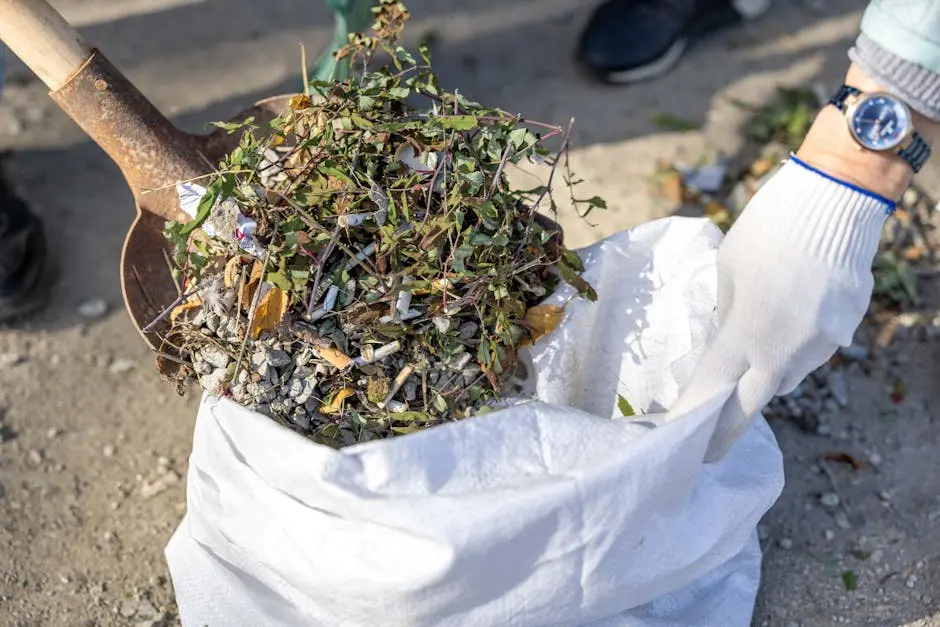
Segregating yard waste helps in efficient disposal and recycling. Learn to differentiate between compostable materials like leaves and grass clippings, and non-compostable waste such as rocks or plastic. This separation simplifies the disposal process and aids in proper recycling.
Organizing your yard waste into categories is not only environmentally friendly but can save you money. Many communities have regulations about how yard waste must be disposed of, so familiarity with these guidelines is critical. Sort your waste into green waste, which can include organic materials like branches and tree trimmings, and hardscape materials like bricks or concrete chunks often require special handling or transport to designated facilities.
Composting: Turning Waste into Resource
Composting is a fantastic way to turn organic yard waste into nutrient-rich compost for your garden. Discover simple composting techniques and how to maintain a healthy compost pile that benefits your garden and reduces waste.
One key technique to successful composting is ensuring an optimal balance between ‘green’ and ‘brown’ materials. Greens include items like grass clippings and fresh leaves, while browns consist of dry leaves and twigs. Proper layering and turning of your compost pile can accelerate decomposition and yield usable compost in as little as a few months. An added benefit is the enrichment of your soil, which supports healthy plants and gardens year-round.
Community Involvement and Local Regulations
Understanding local regulations and community waste programs can enhance your yard waste removal efforts. Many localities offer composting facilities or special waste collection services. Participating in these programs can simplify the process and ensure compliance with local environmental laws.
Engagement with community initiatives can open doors to resources you might not have considered. For example, many areas offer workshops or online resources for residents to learn about sustainable practices. Engage actively with neighborhood community boards or online groups to stay informed about the latest services like special yard waste pick-up days or community composting events you can utilize for ease and efficiency.
Seasonal Yard Waste Management Tips
Each season brings different yard waste challenges. From fallen leaves in autumn to pruning debris in spring, learn how to adjust your cleaning strategies according to the season and keep your yard looking pristine year-round.
In winter, focus on managing debris from storms and protecting your plants with mulching, which doubles as a great winter insulating agent. When spring arrives, shift to managing the rapid growth of grass and weeds, offering an excellent opportunity to augment your compost pile with fresh clippings. Observe nature’s cues for yard maintenance, such as using rainfall to help moisten new compost, paving the way for a tailored approach to eco-friendly and seasonal yard care.
Embrace a Cleaner Yard and Home
Effectively managing yard waste removal not only contributes to a cleaner home but also promotes environmental sustainability. With a few simple changes to your routine, you can enjoy a tidier yard and make a positive impact on your local ecosystem. Start today and transform your yard into a serene oasis for you and your family.