
Getting rid of unwanted items during a home cleanout doesn’t have to mean sending everything to the landfill. There are eco-friendly options available that can help you stay green and keep your conscience clean while decluttering your home. Whether it’s recycling, donating, or upcycling, let’s explore some environmentally conscious choices for your next cleanout.
Sorting and Prioritizing Items
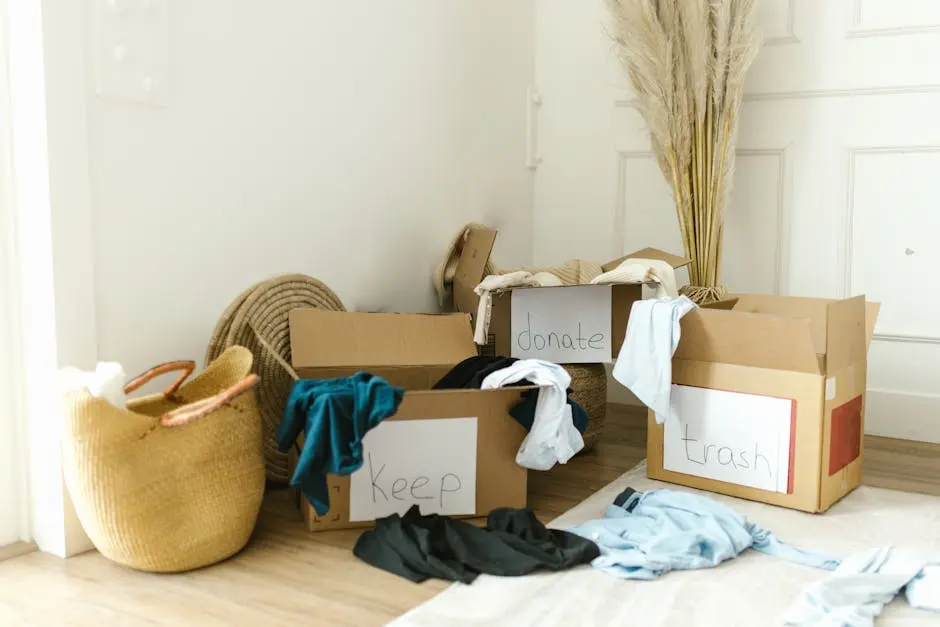
The first step in an eco-friendly cleanout is sorting through your belongings. Separate items by category, such as those that can be recycled, reused, donated, or need special disposal. This organization will make your cleanout more efficient and environmentally friendly.
When sorting, consider adopting the KonMari method to not only declutter but also bring joy into your life. This approach emphasizes gratitude for items and making mindful decisions about which belongings to keep. Utilizing such methods can transform your cleanout process into a mindful practice, providing clarity and a deeper understanding of what truly matters in your life.
Recycling More Than Just the Basics
Recycling goes beyond paper and plastic. Electronics, metals, and even certain fabrics can be recycled. Research local facilities that accept these materials and make a plan to drop them off. This reduces landfill waste and supports sustainable recycling programs.
Additionally, consider the benefits of specialized e-waste recycling programs that focus on electronics like old computers, phones, and gadgets. Many electronic devices contain valuable materials that can be reclaimed and reused, helping to reduce the environmental impact of mining raw materials. Engaging in e-waste recycling not only aids in waste reduction but also contributes to the conservation of natural resources.
Fabrics, such as old clothing or curtains, can also find new life through recycling. You might be surprised to learn about textile recycling. These programs break down fabrics into fiber, which can then be repurposed for a range of products, from insulation to new textiles. This not only diverts waste from landfills but also supports sustainable textile production methods.
Donating to Local Charities
Many items that you no longer need can be a goldmine for charities. Clothing, furniture, toys, and books are just a few items that can be donated to those in need. Check with local organizations about what items they accept and how to best deliver them.
Donating to charities not only benefits the recipient but also allows you to contribute to community wellbeing. Items like toys and books can find welcoming homes in local schools or children’s hospitals, enriching the lives of countless individuals. Consider reaching out to homeless shelters and refugee organizations where your unused clothing and household items can make a significant impact on those struggling to find stability.
Additionally, some organizations provide pick-up services for larger items, making donations even more convenient. You can actively contribute to ecological and social welfare by prioritizing donation over disposal, turning a simple act of giving into a powerful tool for change. Explore options for donating your furniture to organizations that specialize in repurposing such items to support families in need.
Creative Upcycling Ideas
For those who enjoy a good DIY project, upcycling is a fantastic eco-friendly option. Turn old furniture into something new with a coat of paint, or transform glass jars into decorative storage. The possibilities are endless, and upcycling reduces waste while boosting creativity.
Upcycling is not just limited to small items; it can extend to more substantial projects like transforming old wooden pallets into beautiful garden furniture or building unique shelving units. This creative reimagining of materials helps alleviate the pressure on resources by reducing the demand for new products. Explore innovative upcycling ideas and let your imagination take flight, turning once-forgotten items into treasured pieces you can enjoy.
Safe Disposal of Hazardous Materials
Certain items, like batteries and chemical cleaners, require special disposal methods to prevent environmental harm. Research community drop-off events or dedicated recycling centers for hazardous materials to ensure they are handled responsibly.
Participating in household hazardous waste collection events is a responsible way to dispose of potentially dangerous items safely. These events are usually coordinated by local governments or waste management companies, offering an accessible solution for the safe disposal of toxic substances. Remember, proper handling of these materials not only protects the environment but also promotes a healthier community with fewer pollution-related health hazards.
Wrapping Up: Make Your Cleanout Count
With a little creativity and effort, your next home cleanout can be an opportunity to help the environment and benefit others. By choosing eco-friendly options, you’ll not only reduce waste but also contribute to a more sustainable future. Remember, every small action counts when it comes to protecting our planet.