
Demolition cleanup is a critical aspect of construction projects, ensuring that the site is safe, efficient, and ready for the next phase. In this guide, we’ll explore how to effectively manage demolition cleanup, focusing on both efficiency and safety.
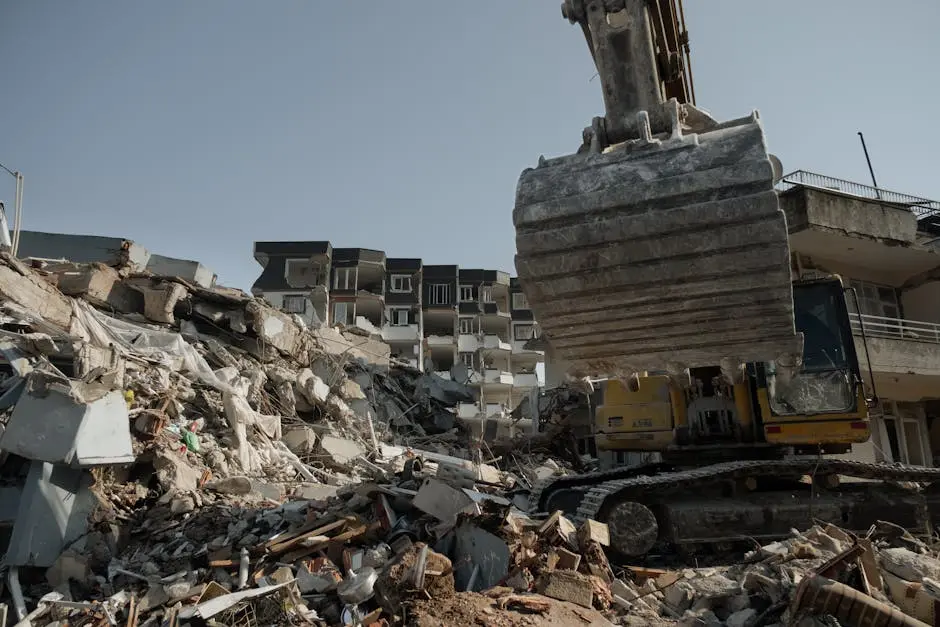
Understanding the Basics of Demolition Cleanup
Understanding demolition cleanup starts with a grasp of the processes involved. It’s not just about cleaning up the mess left behind after the wrecking ball has done its job. Instead, it’s a structured approach to managing site debris and ensuring materials are disposed of or recycled properly. This process begins with a comprehensive plan that considers factors such as the types of materials being demolished, the volume of debris, and any hazardous substances that need special handling. Effective demolition cleanup integrates environmental concerns with safety protocols, ensuring that both workers and the environment are protected over the course of the project.
Another key element to consider is the project timeline. Typically, the faster the cleanup occurs, the sooner you can proceed to the next phase of construction. However, speed must not compromise safety. Efficient cleanup involves organizing the site into manageable areas, utilizing logistical strategies to streamline debris removal, and employing skilled professionals who understand the importance of maintaining a safe working environment. Each of these aspects plays a crucial role in both reducing downtime and avoiding any potential legal issues associated with improper cleanup and disposal practices.
Essential Tools and Equipment for Demolition Cleanup
The use of advanced tools and machinery is instrumental in demolition cleanup. For starters, protective gear such as helmets, gloves, and respirators is essential for safeguarding the crew from potential hazards. Additionally, specialized equipment like skid-steer loaders, dump trucks, and backhoes enable workers to manage large volumes of debris more efficiently and safely. The selection of equipment should be tailored to the specific needs of the project, taking into account the size and complexity of the site, as well as the types of materials being handled.
Modern technology has also revolutionized demolition cleanup, introducing tools such as hydraulic breakers and crushers that make it easier to dismantle structures and process materials swiftly. Using the right machinery not only speeds up the process but also reduces manual labor, minimizing the risk of injury. Moreover, implementation of technology in the form of drones and 3D mapping provides precise data and insights into the site, enhancing accuracy in planning and execution. Investing in the right tools can thus vastly improve both the efficacy and safety of the cleanup operation, ensuring a seamless transition to subsequent construction phases.
Safety Protocols and Best Practices
Enforcing strict safety protocols is paramount to a successful demolition cleanup. Training workers prior to the job ensures they are familiar with both the site-specific and general safety procedures. This training includes recognizing hazards, using protective gear properly, and understanding emergency preparedness. Furthermore, rigorous adherence to OSHA standards and other regulatory guidelines is necessary to mitigate worksite risks and avoid penalties.
Another vital practice is the establishment of a continuous safety review system. Regular site inspections, safety briefings, and hazard assessments should be conducted to address any emerging risks immediately. Employing a dedicated safety officer can further benefit by monitoring compliance and facilitating communication between teams. Incorporating these measures in your project not only builds a culture of safety but also demonstrates a commitment to worker and environmental welfare, enhancing overall project outcomes.
Efficient Strategies for Debris Removal
Strategizing efficient debris removal is an art that involves organizing, planning, and executing with precision. Start by allocating resources effectively; this could be in the form of scheduling machinery to move waste promptly or designating certain areas for storage and sorting. An organized approach not only accelerates debris clearance but also ensures that the site remains accessible and safe for all workers involved.
Moreover, adopting a phased approach, where demolition and cleanup happen simultaneously in different sections, can significantly shorten overall project timelines. Utilizing roll-off containers and dumpsters wisely can aid in keeping the site orderly, as they serve as centralized collection points for various types of debris. Prioritization of waste streams, for instance, separating materials that are recyclable from those that aren’t, helps in resource optimization and maximizing recycling efforts. These methods collectively contribute to a more streamlined and cost-effective debris removal strategy, keeping the project on schedule and on budget.
Dealing with Hazardous Materials During Cleanup
Handling hazardous materials is one of the most challenging aspects of demolition cleanup. Substances like asbestos, lead, and certain solvents pose serious health risks if not managed correctly. It starts with identifying and categorizing these materials. A thorough site assessment is crucial in detecting hazardous elements beforehand, allowing you to plan the appropriate containment and removal measures. Employing certified specialists in hazardous material handling ensures that these substances are disposed of in compliance with legal standards, thus avoiding penalties and health risks.
Furthermore, understanding the proper disposal procedures for each type of hazardous waste is critical. It not only involves following regulatory protocols but also ensuring that no cross-contamination occurs during the transport and disposal of these materials. Contaminated areas should be isolated, clearly marked, and accesses restricted to trained personnel only. Additionally, regular training and education on the latest safety practices concerning hazardous materials can help keep your team well-informed, vigilant, and capable of safely addressing potential risks that arise during the cleanup process.
Recycling and Disposal Considerations
Adopting sustainable practices such as recycling can greatly enhance the overall efficiency and cost-effectiveness of demolition cleanup operations. Materials like steel, concrete, and wood can often be recycled and repurposed, reducing the volume of waste that ends up in landfills. This not only conserves environmental resources but can also generate additional income for the project by selling or donating materials for reuse.
It’s important to have a clear understanding of local recycling facilities and their accepted materials to maximize the effectiveness of these efforts. Coordinating with these facilities during the planning stage allows for more efficient waste management and facilitates smoother logistics throughout the project. By taking a conscientious approach to disposal and recycling, projects can achieve a higher standard of environmental stewardship while reaping potential financial benefits through reduced disposal fees and increased material recovery.
Balancing Efficiency and Safety in Demolition Cleanup
Demolition cleanup, when done properly, ensures a smooth transition from demolition to construction. By prioritizing efficiency and safety, you can maintain a secure work environment while optimizing your project timeline and resources. For more insights, tips, and comprehensive services, visit our homepage.