
Choosing the right commercial dumpster can seem daunting, but with a little guidance, you’ll find the perfect solution for your business’s waste management needs. In this post, we’ll explore key factors that can help you make an informed decision.
Understanding Your Waste Management Needs
Before selecting a dumpster, assess the volume and type of waste your business generates. Consider the frequency of waste collection and whether recycling options are needed. This will lay the groundwork for choosing the right dumpster size and type.
Different businesses have unique waste management requirements. For instance, a restaurant might generate more perishable waste compared to a retail store, which might have more packaging materials. Understanding the nature of your business’s waste not only aids in selecting the right size but also helps in determining the necessary frequency of waste pickup. Consider whether the waste is primarily recyclable, biodegradable, or hazardous as these factors dictate the type of dumpster you need.Read more on sustainable waste practices.
It’s also helpful to conduct a waste audit. This involves analyzing your trash over a period to understand what you’re discarding. A waste audit provides insights into potential waste reduction strategies, which could lead to cost savings and environmental benefits in the long run.Learn how to conduct a waste audit.
Exploring Different Types of Commercial Dumpsters
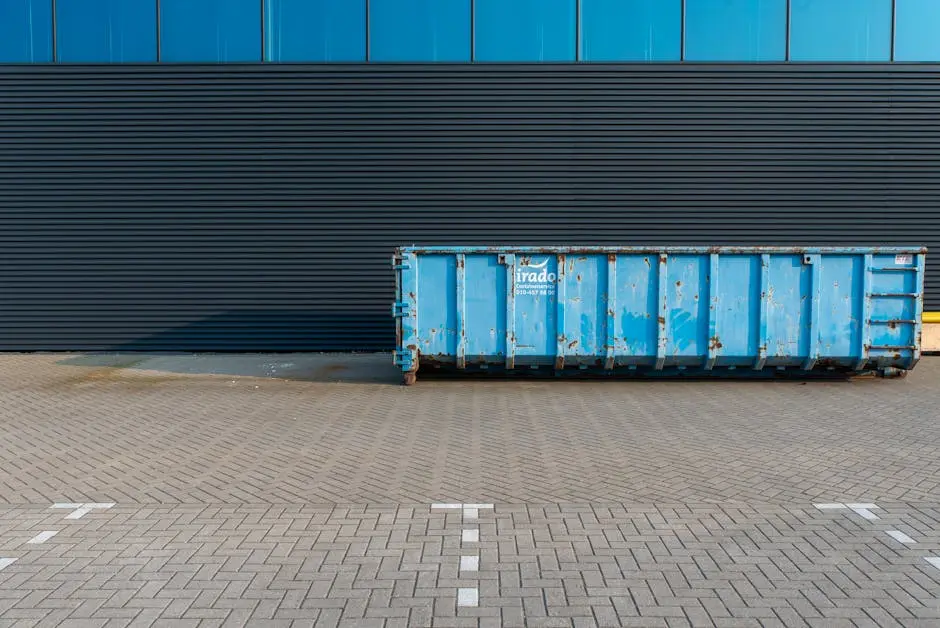
Commercial dumpsters come in various forms, including front-load, rear-load, and roll-off containers. Each type has its unique features and benefits. Understanding these options can help match the dumpster to your specific waste management needs.
Front-load dumpsters are commonly used for regular collection of smaller waste streams. They are lifted over the waste truck and emptied, making them suitable for routine, mixed-use environments. Rear-load dumpsters, on the other hand, have a sloped rear that allows for easier loading and a more compact footprint. While roll-off containers are ideal for construction and demolition waste due to their large capacities and open tops, facilitating the disposal of bulky items. By identifying the [right dumpster type for your needs], you can streamline your waste management process effectively.
Also worth noting is the importance of selecting a dumpster that aligns with your waste disposal goals. For example, if your business is prioritizing sustainability, selecting a dumpster designed to support recycling or composting can be a critical step forward. Understanding the distinctions between each dumpster type improves decision-making and enhances operational efficiency, ensuring that your investment aligns with both financial and ecological goals.
Considerations for Dumpster Size and Placement
Choosing the correct size is crucial to avoid overage charges or unnecessary waste pickups. Additionally, think about where the dumpster will be placed to ensure it is accessible for collection yet doesn’t obstruct operations.
Determining the right dumpster size involves considering the volume and weight of your typical waste. Common sizes range from 2 to 40 cubic yards, with small businesses often sufficing with 2 to 10-yard containers and larger industries requiring up to 40 yards. A small oversight, such as selecting an undersized dumpster, might lead to frequent overflow and extra pickups that drive up costs. Conversely, overestimating might result in unnecessary expenses. Efficient sizing requires thorough evaluation of your waste generation over a specific period, potentially in consultation with a waste management professional.
Placement of the dumpster is equally important. It should be positioned in a location that is readily accessible to waste collection trucks to avoid scavenging or misuse while complying with local ordinances. Consider both convenience and security; for example, situating the dumpster away from high-traffic areas can minimize disturbances and reduce the risk of obstructions. Moreover, ensure the placement respects any zoning laws or property restrictions to prevent fines or service interruptions.Discover zoning regulations for dumpster placement.
Evaluating Cost and Budget Constraints
Cost is a significant factor when choosing a dumpster. Consider rental fees, pickup costs, and any potential additional charges. Plan your budget accordingly to balance financial viability with your waste management needs.
Conducting thorough research into the cost structures of various waste management service providers is essential. Services often include rental fees, pickup charges, and potential additional costs for factors like excessive weight or hazardous materials. Additionally, some companies might offer discounts for long-term contracts or volume-based pricing, which could be more cost-effective for high-output businesses. Understanding these options can help you to (optimize your waste management savings).
Environmental Considerations in Dumpster Selection
With growing environmental concerns, it’s important to consider eco-friendly options. Look for dumpster services that prioritize recycling and sustainable waste disposal methods to support your business’s green initiatives.
An increasing number of businesses are committing to sustainability, influencing their choice in dumpster services. Opt for providers that utilize recycling facilities to divert waste from landfills, which reduces carbon footprints and minimizes environmental impact. Companies offering composting options for organic waste further enhance eco-friendly initiatives, presenting your business as socially responsible and environmentally conscious.
Selecting vendors who adhere to environmental regulations and support sustainable practices ensures compliance and reinforces a green brand image. Moreover, some services offer analytics and reporting on waste metrics, helping businesses understand their impact and providing actionable insights on further improving sustainability practices.Learn about sustainable waste management solutions here.
Making Informed Dumpster Choices for Your Business
Selecting the right commercial dumpster involves understanding your waste needs, the types of dumpsters available, and various logistical considerations. With these tips in mind, you’ll be well-equipped to make a decision that supports your business while staying cost-effective and environmentally friendly.