
When you’re embarking on a new project, whether it’s a home renovation or a large-scale construction job, the details can make all the difference. One of those details—the humble dumpster rental—can have a surprising impact on the success of your venture. In this blog post, we’ll explore how selecting the right dumpster rental can streamline your project, save you time and money, and ultimately determine its success.
Understanding Your Project Needs
Every project has its own unique demands, and understanding those is key to choosing the right dumpster. Consider the type and volume of waste you’ll be generating, as well as any specific regulations or constraints that might apply to your project.
To identify the right dumpster, start by assessing your project scope. Are you undertaking a simple garage cleanout or a full-scale home remodel? Smaller projects might benefit from a 10-yard dumpster, while larger endeavors might require up to 40 yards for heavy-duty waste. Awareness of local regulations is crucial, as some areas have specific guidelines regarding waste types and disposal methods. It’s always wise to check with your municipality to ensure compliance. Make sure to consider any environmental concerns, especially if you’re working on a green project, as certain materials may require specialized disposal processes.
Additionally, think about logistics—where will the dumpster be placed? Is there enough space for delivery and pickup? These factors might seem minor now, but dealing with constraints later could cost you both time and money. Planning these details can avoid unforeseen headaches and expenses. For projects that have tight timelines, having a well-strategized dumpster plan ensures that waste is removed efficiently, keeping your work area clean and safe. By reflecting on the particulars of your project ahead of time, you set the stage for seamless progress.
Different Types of Dumpster Rentals
Dumpsters come in a variety of types and sizes, each suited for different tasks. From roll-off dumpsters to front-load options, knowing the difference can help you make an informed decision. We’ll explore these options and their ideal uses.
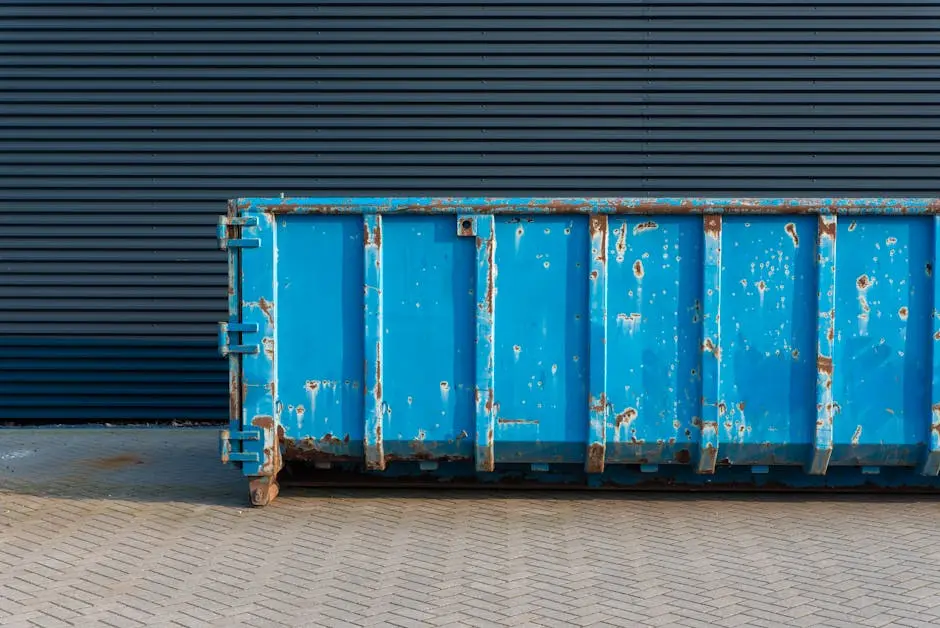
Roll-off dumpsters are perhaps the most versatile and commonly used for both residential and commercial projects. They are characterized by their rectangular shape and open tops, making them ideal for bulky waste and large quantities of debris from demolitions and remodels. Rolling out on wheels, these dumpsters can be conveniently placed at your site, allowing for easy loading. Conversely, front-load dumpsters are more compact and are used primarily for long-term waste management solutions, particularly in commercial settings such as restaurants or offices. These dumpsters require specialized trucks for emptying, where the front of the truck lifts the bin over to dispose of its contents quickly.
Understanding the nuances between these types is key when tailoring your choice to your project’s demands. Moreover, there are specialized dumpsters for specific waste types, like yard waste dumpsters for landscaping debris or concrete dumpsters for heavy, dense materials. Choosing the right type not only ensures optimal use but also aligns with efficient waste management practices. For instance, utilizing a yard waste dumpster helps in encouraging recycling and composting by separating organic waste from other types, contributing to environmental sustainability. Ultimately, deciding on the right dumpster type plays an essential role in maintaining project momentum and efficiency.
Cost Implications: How to Save Money
The cost of renting a dumpster can vary greatly depending on several factors. We’ll discuss what influences pricing and offer tips on how to keep your waste disposal costs under control, ensuring your project stays within budget.
One significant variable affecting dumpster rental costs is the location. Costs can drastically differ based on your geographical region, with metropolitan areas generally being costlier than rural ones. Other factors include dumpster size, rental duration, and local disposal fees, which can add up. To minimize these expenses, it’s smart to calculate your waste generation accurately and pick a dumpster size that fits comfortably within your needs—going too large or small can play havoc with your budget.
Another sensible way to save is by comparing quotes from multiple providers, ensuring you’re getting the best deal without compromising on service quality. Additionally, ask about any hidden fees—such as overage charges for exceeding weight limits or penalties for keeping the rental longer than initially agreed. Being upfront about your project timeline with your provider can help you avoid misunderstandings later. In some cases, opting for recycling services as part of your rental can not only be environmentally friendly but might also offer cost reductions depending on the contracted terms. Keeping these strategies in mind can help you manage your project’s waste disposal economically.
Environmental Considerations
An increasing number of projects are aiming to be eco-friendly. We’ll look at how the right dumpster rental can help you manage waste responsibly and minimize your environmental footprint.
Selecting a dumpster rental that aligns with sustainable practices can significantly contribute to reducing your project’s environmental impact. Many companies now emphasize recycling and responsible disposal of waste, separating materials like metals, plastics, and cardboards for reuse. This not only conserves resources but cuts down on landfill waste. Furthermore, opting for a service that supports green practices can help you meet any regulatory requirements you may face, such as LEED certification needs.
To advance these practices, consider using a rental provider that offers eco-friendly solutions. Some companies might provide dumpsters specifically designed for recyclable materials or partner with local charities to donate salvaged goods. It’s also helpful to ask your provider about their disposal processes to ensure your waste is handled in the most environmentally sound way. Being mindful of environmental considerations fosters not only goodwill but demonstrates a commitment to sustainable development, which is increasingly valued in today’s projects of all scales.
Choosing a Reliable Dumpster Rental Service
Beyond the dumpster itself, the rental service you choose plays a pivotal role. We’ll guide you through what to look for in a rental company, including reliability, customer service, and compliance with local regulations.
A trustworthy dumpster rental service can make all the difference in the success of your project. Begin by evaluating the company’s reputation. Look for online reviews and testimonials that speak to their reliability and professionalism. A reliable company will not only deliver and pick up the dumpster on time but also respect your property and provide clear terms of service.
Customer service is another critical factor to consider. You want a provider who is communicative and responsive, addressing any concerns or questions you may have promptly. Additionally, ensure the rental service is familiar with local regulations and permits needed for placing a dumpster on your property or street. Ignoring these rules can lead to fines or project delays. A reputable company will guide you through these legalities, ensuring compliance. By taking these steps, you can confidently choose a service that supports your project’s seamless execution.
Make the Right Choice for Project Success
Selecting the right dumpster rental is a crucial step in ensuring your project runs smoothly from start to finish. By understanding the specific needs of your project and working with a reputable rental service, you can avoid unnecessary hiccups and focus on what really matters—bringing your vision to life. So, next time you’re planning a project, remember that the right dumpster rental can truly make all the difference.